Civil engineers are responsible for designing, building, and maintaining the infrastructure that supports our daily lives. This includes everything from roads and bridges to water and sewage systems, and it requires a wide range of skills and expertise.
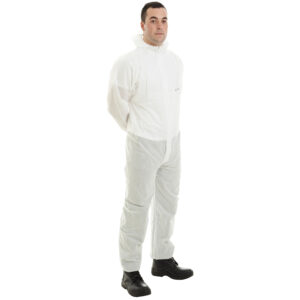
One of the key aspects of being a civil engineer is the type of workwear that they wear on the job. Whether they are working on a construction site, in an office, or out in the field, there are certain types of clothing and protective gear that are essential for their safety and comfort.
In this blog post, we'll take a closer look at what workwear civil engineers typically wear, and how it helps them to do their job effectively.
Key Takeaways
Civil Engineers' Role: They design, build, and maintain various infrastructures like roads, bridges, and sewage systems.
Essential Workwear:
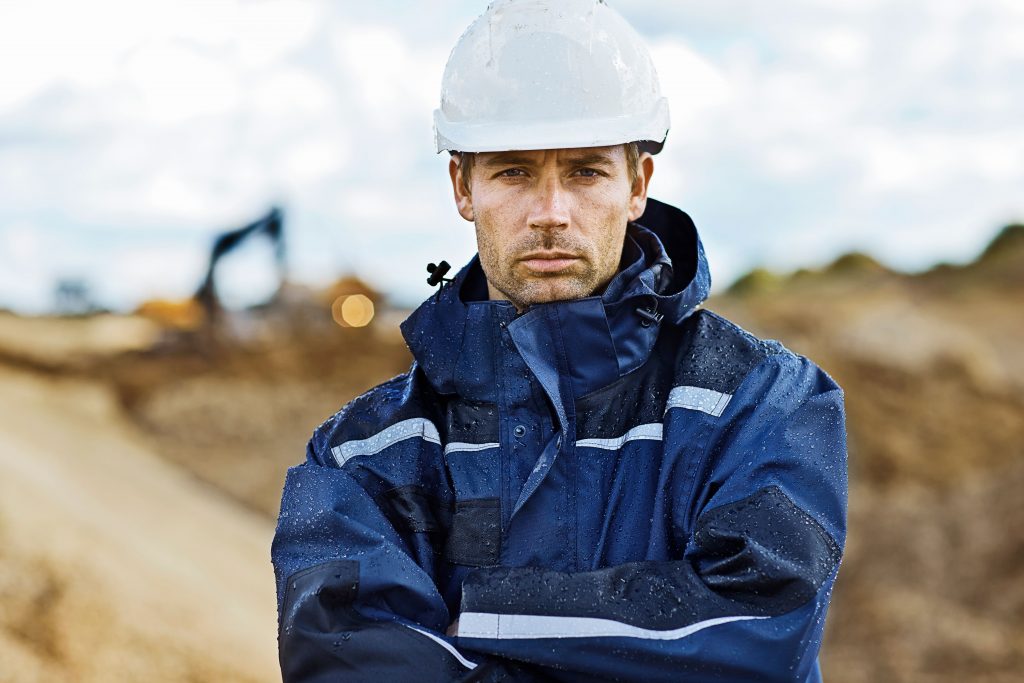
Hard Hat: For protection against falling objects.
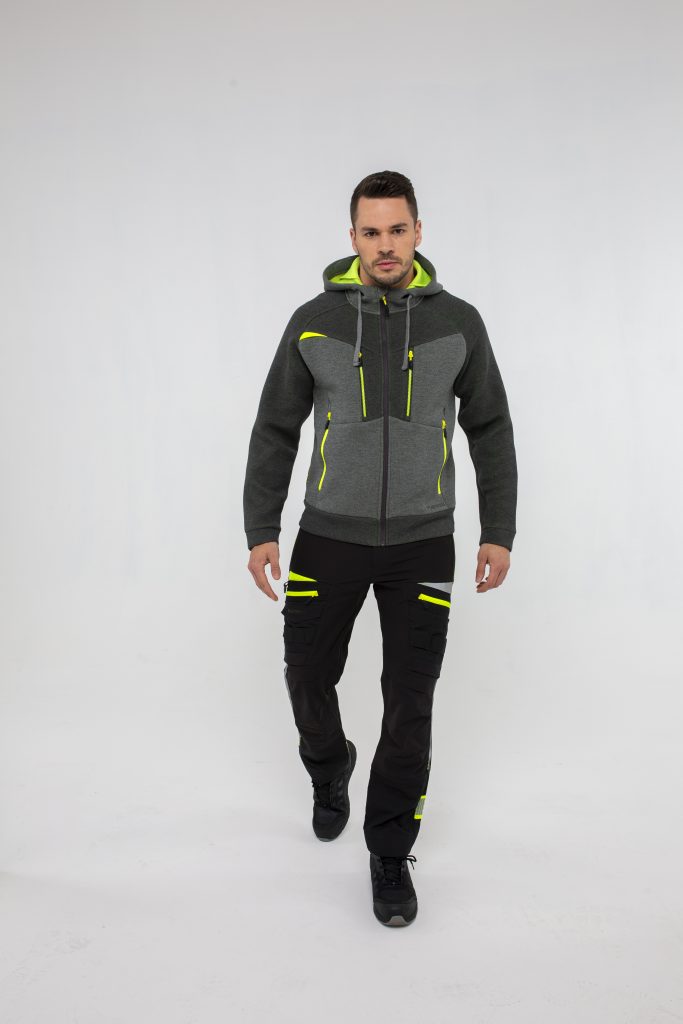
High Visibility Clothing: For visibility on construction sites.
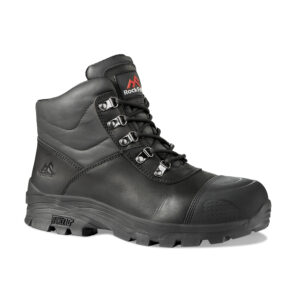
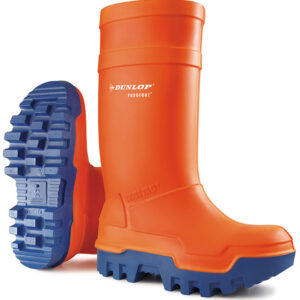
Safety Boots: Steel-toed for foot protection.
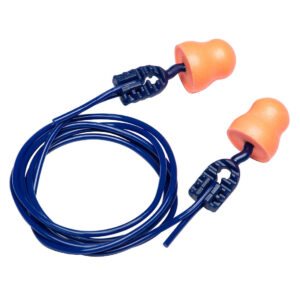
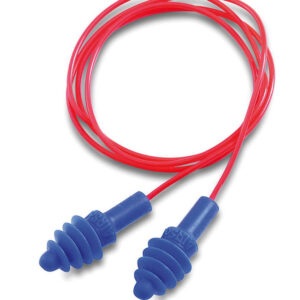
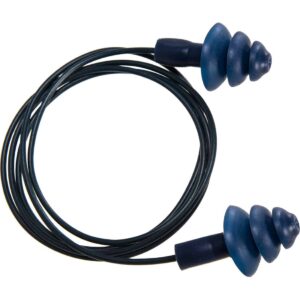
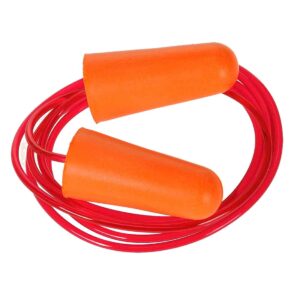
Ear Plugs: To guard against noise in loud environments.
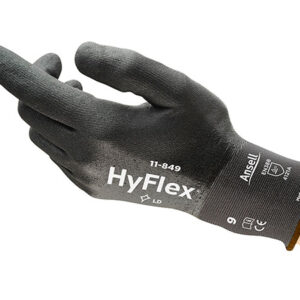
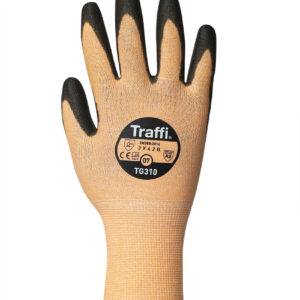
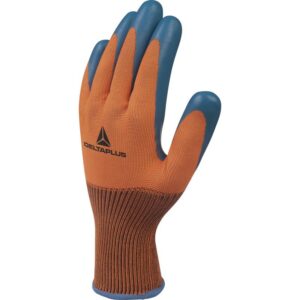
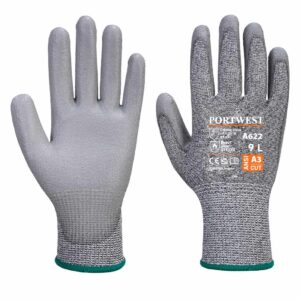
Safety Gloves: To prevent hand injuries.
Duties of Civil Engineers: Involves planning, designing, and managing construction projects, collaborating with various stakeholders.
Importance of Workwear: Essential for safety, comfort, and protection from hazards.
Safety Risks: Include falls, trenching hazards, heavy equipment accidents, electrocution, and struck-by incidents.
Conclusion: Appropriate workwear is crucial for safety in different work environments. OAKEYS Safety offers a comprehensive range, including options for women.
Types of Workwear for Civil Engineers
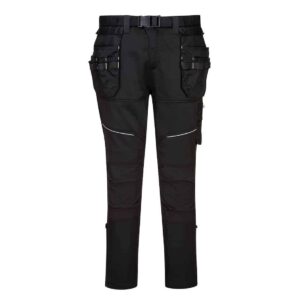
The type of workwear that a civil engineer wears will depend on the specific tasks and environments they are working in. However, there are some common elements that can be found in most civil engineer's wardrobes.
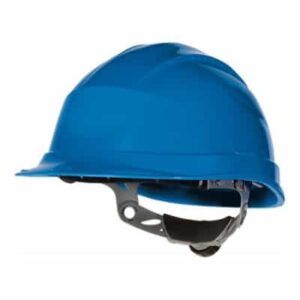
Hard hat:
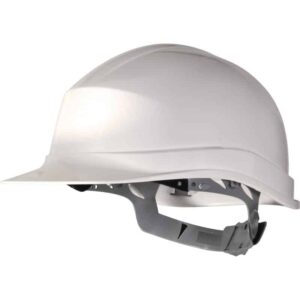
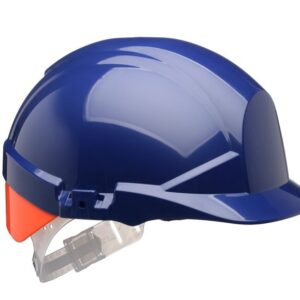
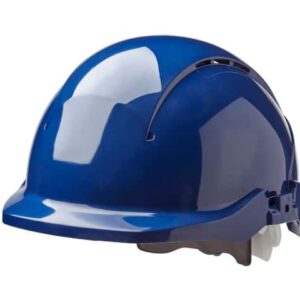
One of the most essential pieces of workwear for civil engineers is a hardhat. This protective headgear is designed to protect against falling objects and other hazards on the job site. Hardhats are usually made of a hard, durable plastic or fiberglass material, and they have a wide brim to protect the face and neck from the sun.
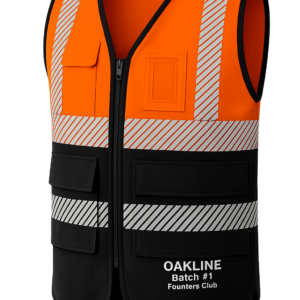
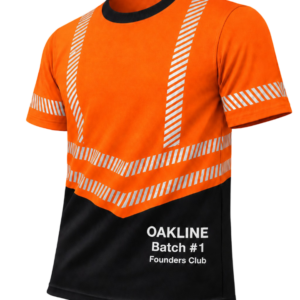
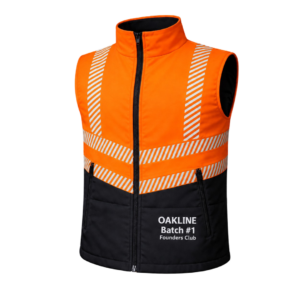
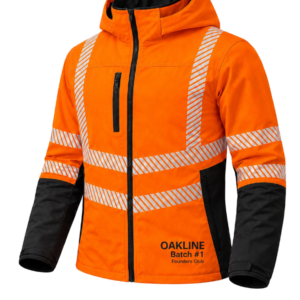
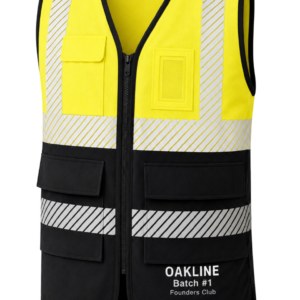
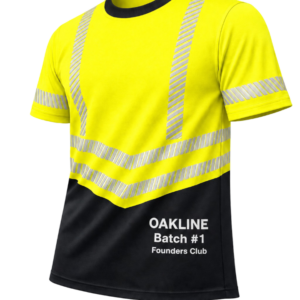
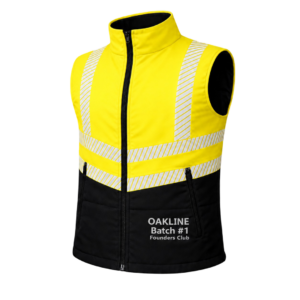
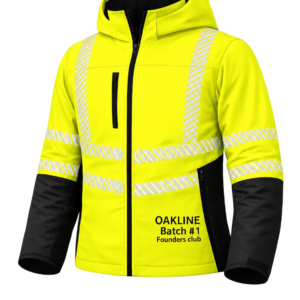
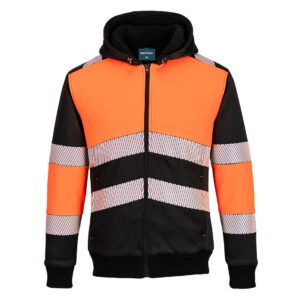
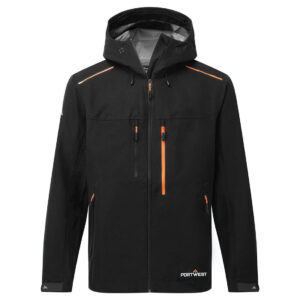
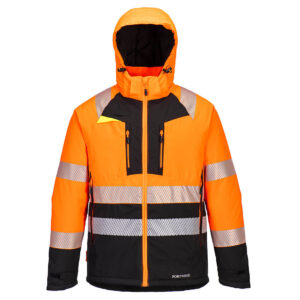
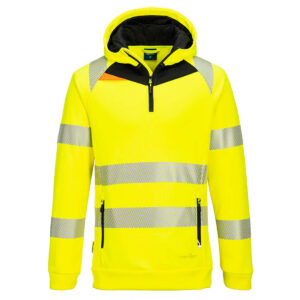
When working on a construction site or in other areas where visibility is a concern, civil engineers may also wear high visibility clothing. This can include hi vis vests, hi vis jackets, and other clothing items that are designed to be easily seen by others. High visibility clothing is usually made of bright, reflective materials, and it is essential for ensuring that workers are visible to others on the job site. Featuring brands like OAKLINE!
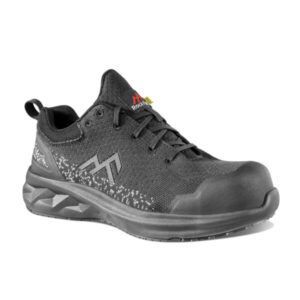
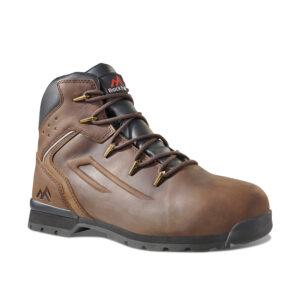
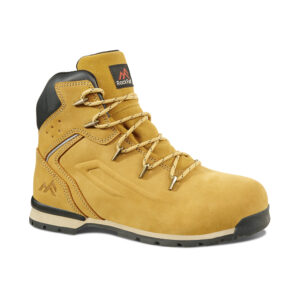
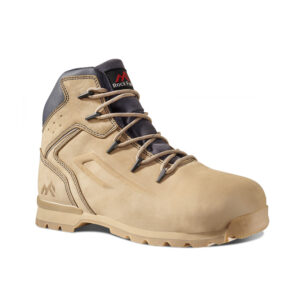
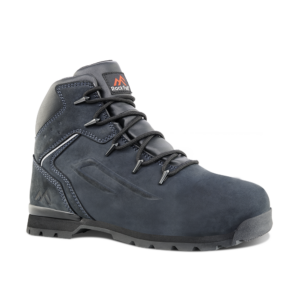
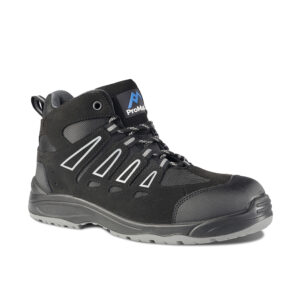
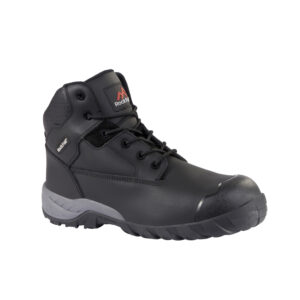
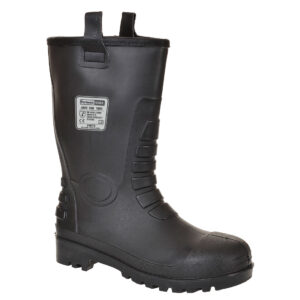
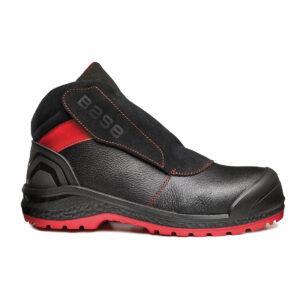
Civil engineers often work on construction sites where there are heavy objects being moved around. To protect their feet from falling objects and other hazards, they may wear safety boots. These boots have a reinforced steel toe that helps to absorb the impact of any heavy objects that may fall on the feet.
Civil engineers often work in noisy environments, such as construction sites or near heavy machinery. To protect their hearing, they may wear earplugs or other ear protection. Earplugs are small, foam inserts that fit into the ear canal and help to block out noise. They are an essential piece of workwear for anyone working in a loud environment.
Civil engineers may also wear safety gloves to protect their hands from cuts, scrapes, and other injuries on the job. Gloves can be made of a variety of materials, including leather, rubber, and other synthetic materials. The type of gloves that a civil engineer wears will depend on the specific tasks they are working on.
Civil engineers are professionals who design, build, and maintain the infrastructure and built environment around us. They are responsible for the planning, design, construction, and maintenance of structures such as roads, bridges, tunnels, buildings, airports, water supply and sewage systems, and other essential components of our modern society.
Civil engineers work with a variety of stakeholders, including architects, contractors, local and national government agencies, and members of the public. They use their knowledge of mathematics, physics, and engineering principles to create efficient, safe, and sustainable designs that meet the needs of the people and communities they serve.
Some of the tasks that civil engineers typically perform include conducting site investigations, performing calculations and cost estimates, developing construction plans and schedules, managing construction projects, and conducting quality control and safety inspections. Civil engineers must also stay up to date on the latest technologies and materials, as well as regulations and codes related to their work.
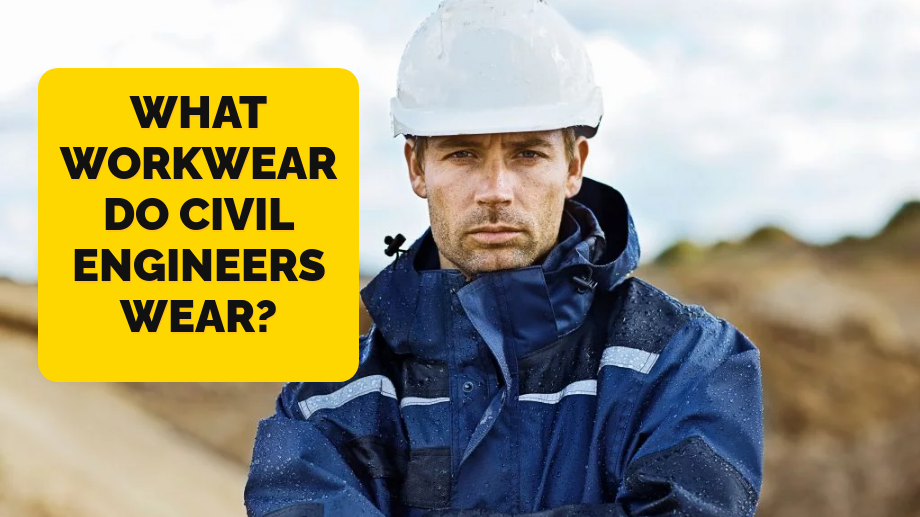
The workwear that civil engineers wear is essential for their safety and comfort on the job. Hardhats, for example, help to protect their head and face from falling objects, while safety boots help to protect their feet. High visibility clothing is also important for ensuring that workers are visible to others on the job site, which can help to prevent accidents.
In addition to protecting against physical hazards, workwear can also help to protect civil engineers from environmental hazards. For example, gloves can help to protect their hands from cuts and abrasions, while earplugs can help to protect their hearing from loud noises.
Workwear can also be important for the comfort of civil engineers. For example, safety boots may be more comfortable to wear than regular shoes, and earplugs can help to reduce noise levels and make it easier to concentrate on the task at hand.
Main safety risks for Civil Engineers
Civil engineers work on a variety of projects, from infrastructure development to construction, and each project comes with its own set of safety risks.
Here are some of the main safety risks that civil engineers may encounter:
Falls from heights:
Construction sites often involve working at significant heights, such as on scaffolding, bridges, or high rise buildings. Falls from these heights can result in serious injuries or fatalities.
Trenching and excavation hazards:
Civil engineers and construction workers often deal with trenches and excavations for various purposes. These sites can be prone to cave ins, which pose a significant risk to worker safety.
Heavy equipment accidents:
Working with heavy machinery and equipment, such as cranes, bulldozers, and excavators, can be dangerous if not operated and maintained properly.
Electrocution:
Civil engineers may work near power lines or electrical installations, putting them at risk of electrical hazards and potential electrocution.
Struck by incidents:
Workers can be struck by moving vehicles or objects on construction sites, especially in areas with ongoing construction activities.
Conclusion
To conclude, there is a wide range of workwear that a civil engineer can wear and it is down to the environment they are in which determines the workwear needed. OAKEYS safety has all the workwear available that a civil engineer will require as well as a dedicated women's workwear range and the best prices online.
At OAKEYS Safety Ltd, we deal with branded workwear every day. Most orders follow a simple process: This case did not follow that pattern. What follows is a factual account of our experience working with DPS Embroidery (46 Hallam St, Balsall Heath, Birmingham B12 9PS), based on documented email correspondence across multiple orders. The Setup…
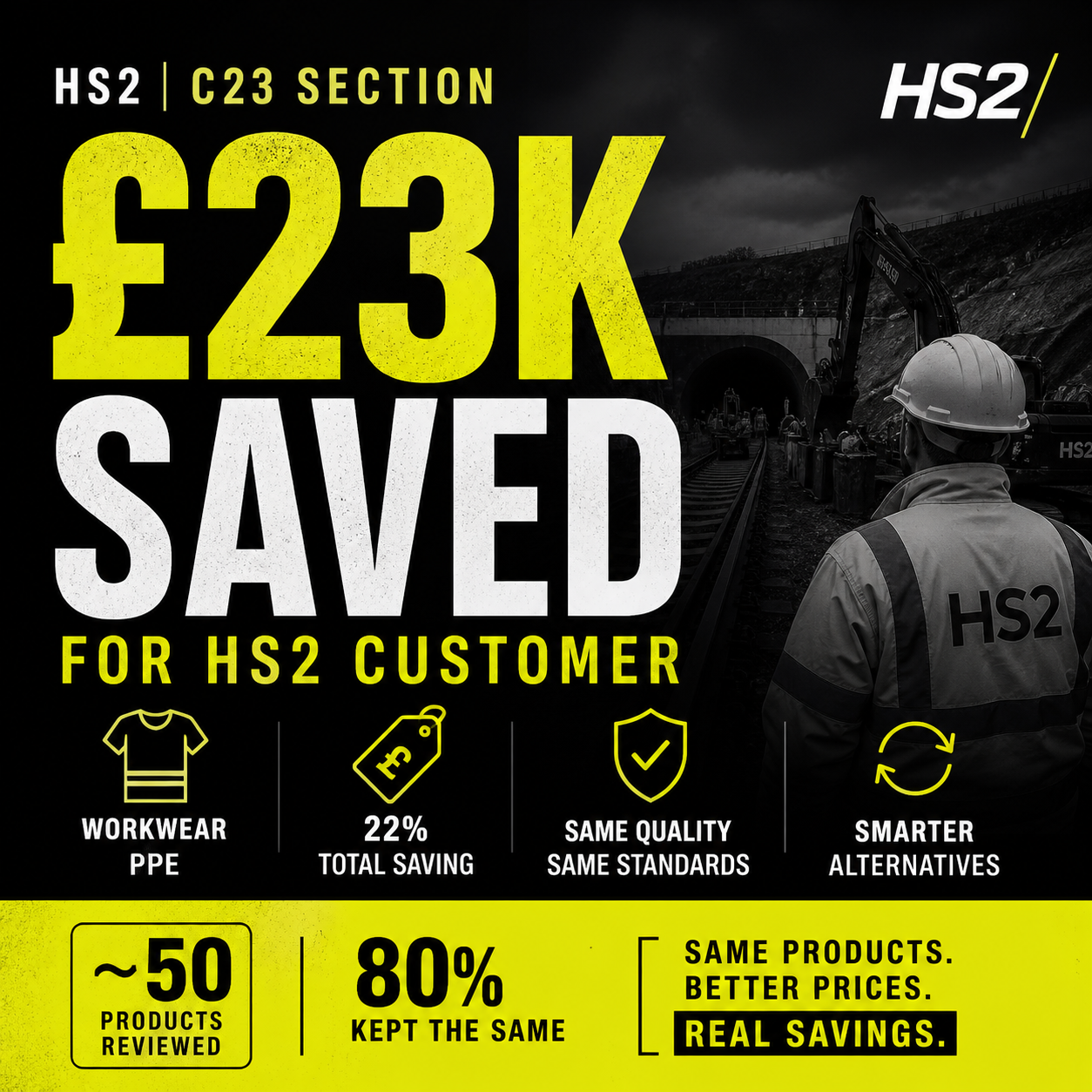
Most construction companies assume their workwear and PPE pricing is “about right”. In reality, we’re consistently seeing 15–25% savings available - without changing specifications, brands, or compliance standards. Here’s a real example from a contractor working on the HS2 C23 section. The Situation We were asked to review a company’s current workwear and PPE spend.…
If you are searching for cheap hi vis workwear, where to buy workwear, or a reliable PPE supplier in the UK, you are not alone. Most companies want better pricing, but very few actually know what they should be paying. At OAKEYS Safety Ltd, we have worked with over 50 UK businesses to compare their…