Trusted by 1,000's of customers in the UK

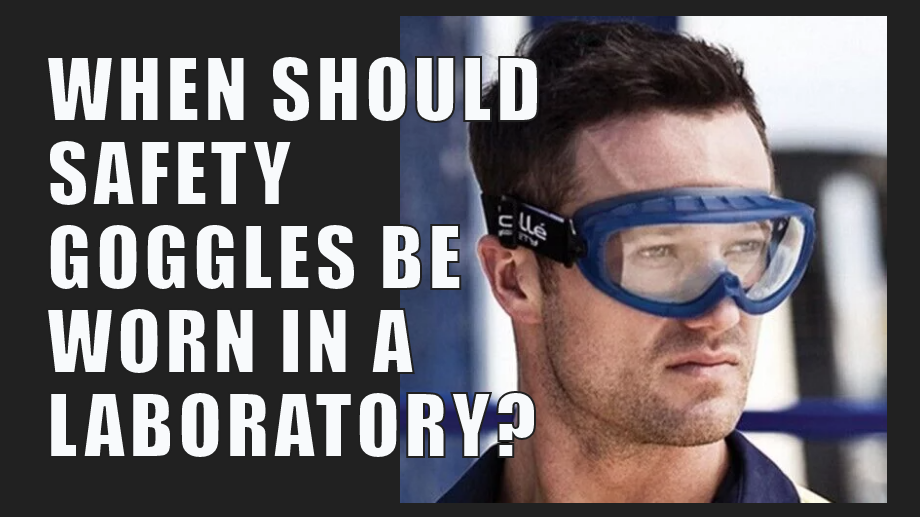
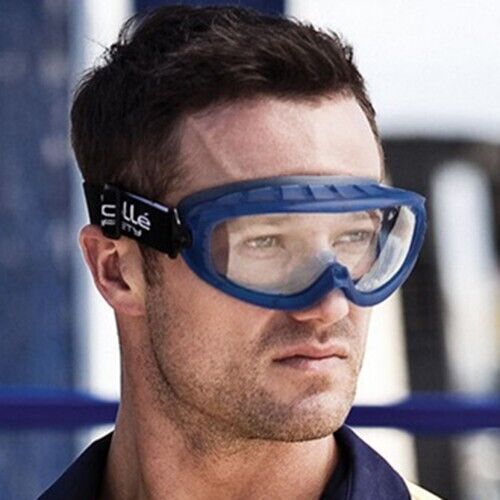
When working in a laboratory, it's important to always assess the potential risks and hazards before beginning any activity. This includes considering the type of materials and chemicals being used, as well as the potential for spills, splashes, or other accidents. If there is any risk of eye injury, safety goggles should be worn at all times.
It's also important to note that safety goggles should be worn even if the risk of eye injury seems low. For example, even small amounts of liquid or powder can cause serious eye injuries if they get into the eyes, so goggles should always be worn when working with these materials.
In addition to protecting against direct eye injury, safety goggles also provide protection against indirect eye injury. This includes protection against harmful ultraviolet (UV) radiation, which can cause eye damage over time. UV radiation is present in many laboratory settings, including those where UV lamps or lasers are used.
When selecting safety goggles, it's important to choose a pair that is specifically designed for laboratory use. These goggles should be made of a durable material that can withstand the chemicals and materials used in the lab, and they should fit snugly and comfortably to ensure they stay in place while you're working.
It's also important to make sure that the goggles you choose provide the level of protection you need for the specific hazards present in your lab.
In a laboratory, there are various risks to your eyes that you should be aware of, including:
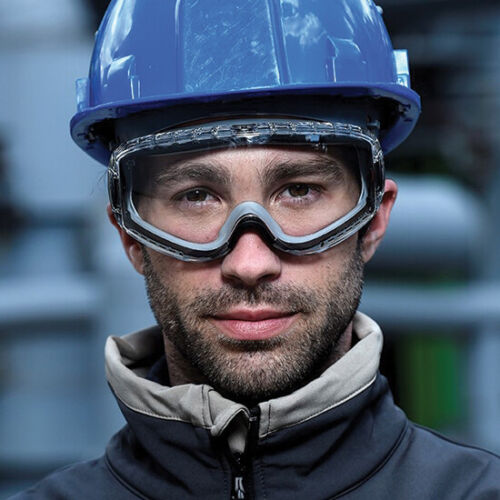
Best safety goggle options
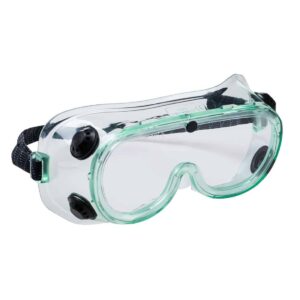

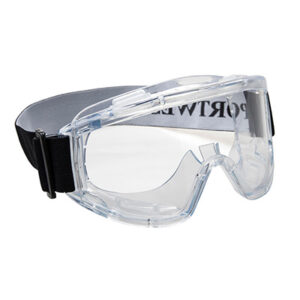
According to a report published by the Health and Safety Executive in the UK, there were a total of 249 reported eye injuries in laboratories in the year 2019/2020. This represents a slight increase from the previous year, which saw 239 reported eye injuries.
Of the reported eye injuries in laboratories in 2019/2020, 55% were caused by chemical splashes or exposure to harmful substances. The remaining injuries were caused by a range of factors, including flying debris, physical impact, and radiation.
In terms of severity, the majority of eye injuries in laboratories were classified as minor, with only a small number being classified as major or severe. However, even minor eye injuries can have a significant impact on a person's vision and ability to work, and it is therefore important to take steps to prevent all types of eye injuries in laboratory settings.

In conclusion, safety goggles are an essential piece of PPE that should be worn in any laboratory setting where there is a risk of eye injury. It's important to always assess the potential risks and hazards before beginning any activity and choose the appropriate goggles for the specific hazards present in your lab.
It's also important to note that it is not only the lab workers but everyone present in the lab should have to wear safety goggles to protect from potential hazards. Safety goggles should be worn at all times in the lab, even if the risk of eye injury seems low.
Perhaps you don't wear safety goggles but safety glasses instead, here is a blog which goes over the importance of safety glasses.
OAKEYS safety has a great selection of safety goggles for laboratories available on our online store, follow the link below to see the full range of safety goggles.

For workwear distributors, being competitive often comes down to two things: product availability and buying price. Portwest is one of the biggest names in UK workwear, high visibility clothing and PPE. But not every reseller has access to a direct Portwest account or the buying terms needed to compete aggressively. That is where OAKEYS Safety…
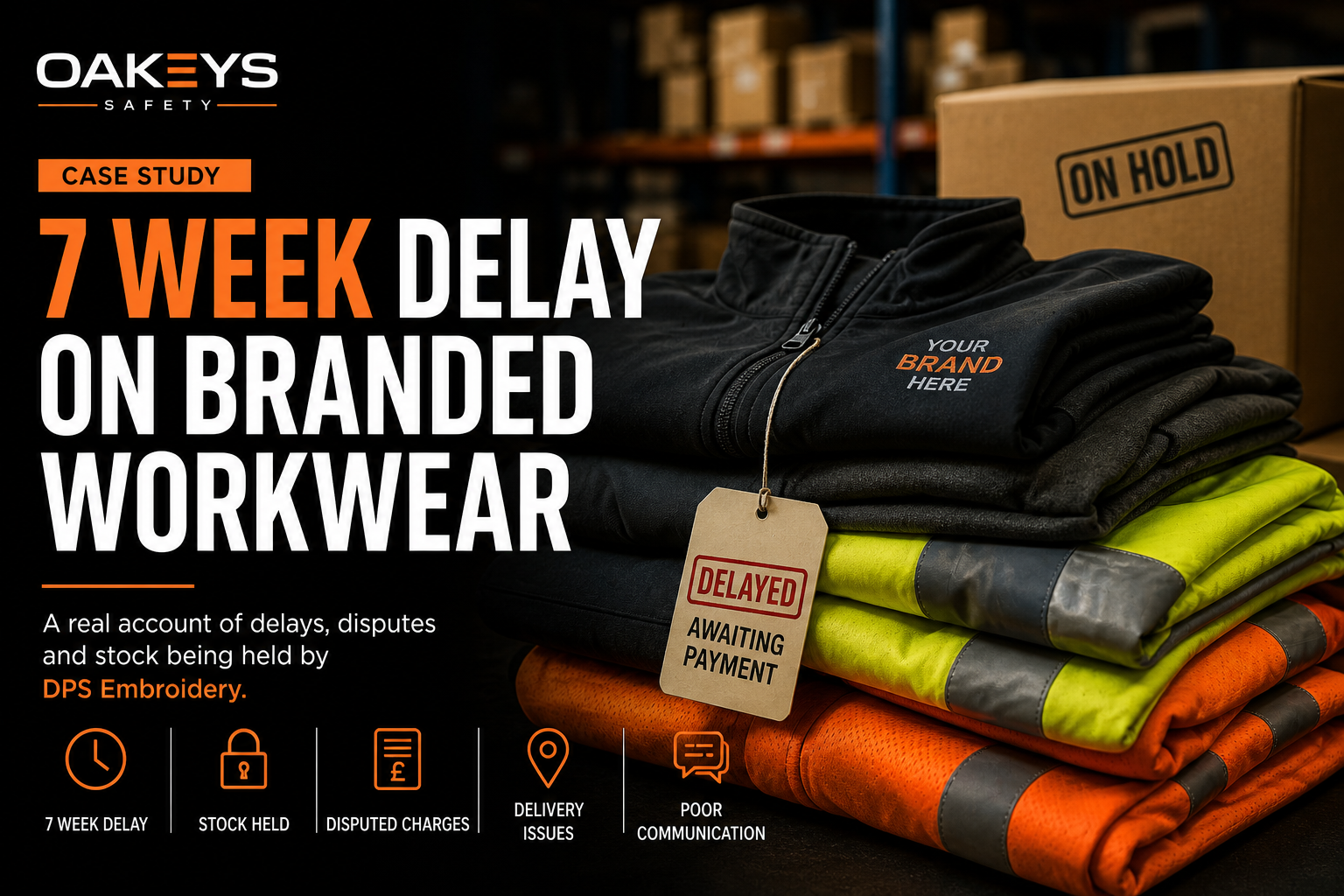
At OAKEYS Safety Ltd, we deal with branded workwear every day. Most orders follow a simple process: This case did not follow that pattern. What follows is a factual account of our experience working with DPS Embroidery (46 Hallam St, Balsall Heath, Birmingham B12 9PS), based on documented email correspondence across multiple orders. The Setup…
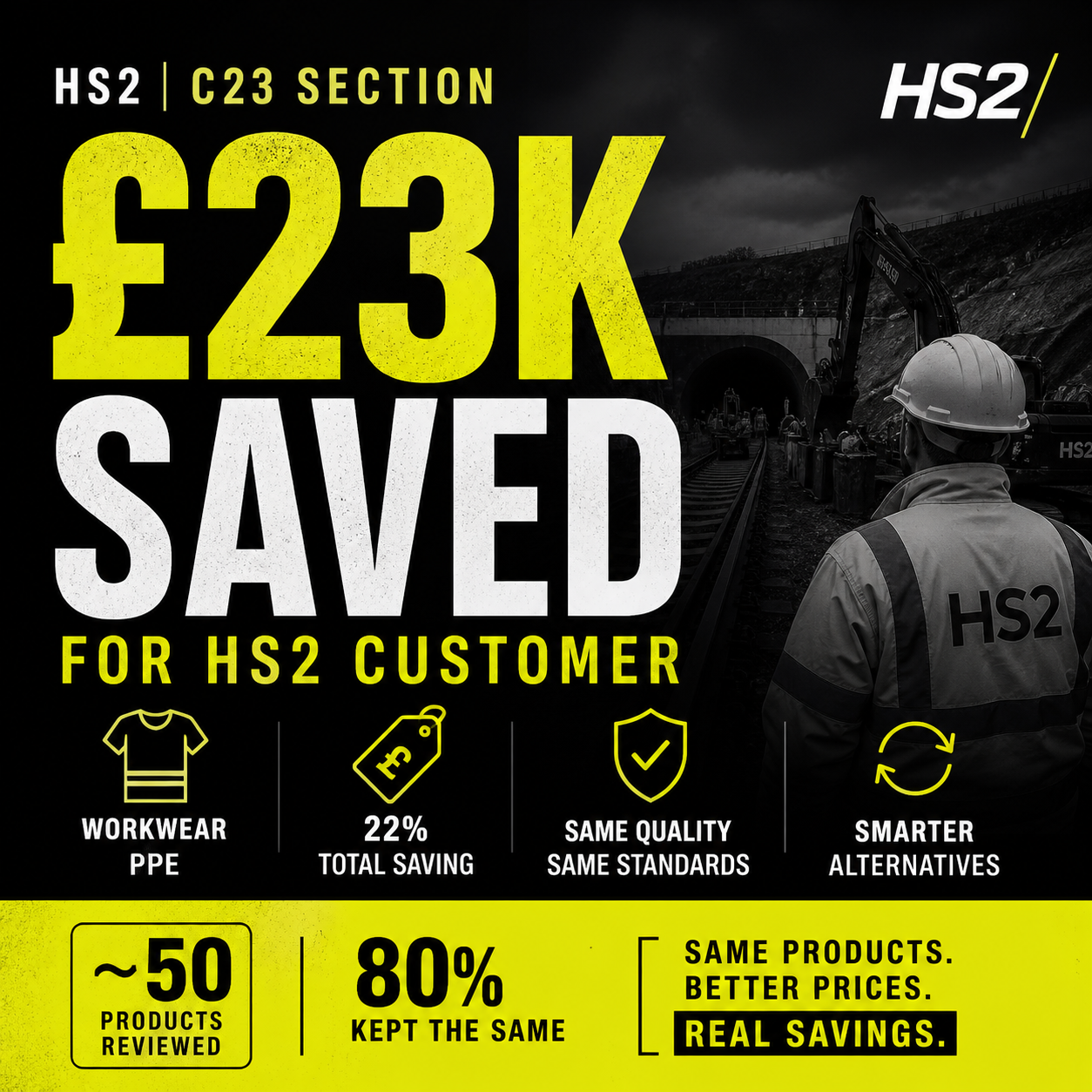
Most construction companies assume their workwear and PPE pricing is “about right”. In reality, we’re consistently seeing 15–25% savings available - without changing specifications, brands, or compliance standards. Here’s a real example from a contractor working on the HS2 C23 section. The Situation We were asked to review a company’s current workwear and PPE spend.…