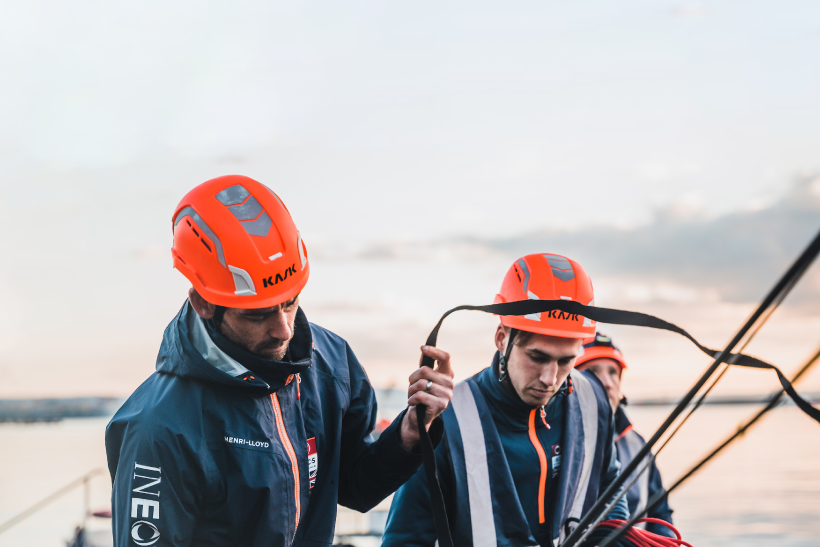
When it comes to prioritising safety and protection in challenging environments, the name KASK often springs to mind. Renowned for their advanced helmet technology, KASK has been at the forefront of the industry, ensuring that those who need protection have the best tools at their disposal. But the burning question that we often encounter is, can KASK helmets have connected ear defenders?
Drum roll, please… The answer is a resounding YES!
Not only do KASK helmets offer superb protection, but they've also integrated advanced hearing protection into their line-up. This means you don't need to juggle between multiple brands or worry about compatibility. KASK has done all the hard work for you, introducing their dedicated range of helmet mounted ear defenders:
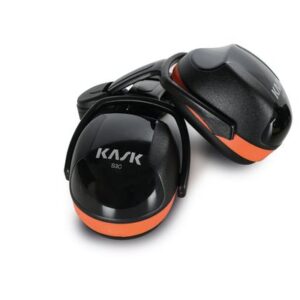
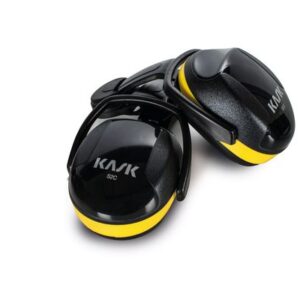
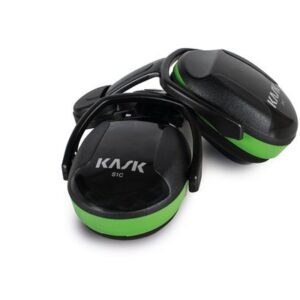
- KASK SC1 Helmet Mounted Ear Defender: Tailored for general protection, this ear defender is perfect for everyday use, ensuring that your ears remain protected against the constant buzz and hum of a worksite.
- KASK SC2 Helmet Mounted Ear Defenders: Designed for those who need a little extra, the SC2 offers enhanced noise reduction for louder environments. If you're working close to machinery or in areas with a consistent loud noise, this is the defender for you.
- KASK SC3 Helmet Mounted Ear Defender: The premium choice for those in the harshest of environments. The SC3 ensures that even in the loudest of situations, your ears remain protected and comfortable.
Why Partner Your KASK Helmet with Their Ear Defenders?
Apart from the obvious integrated design and seamless fit, partnering your KASK helmet with their dedicated ear defenders ensures that you get the maximum protection possible. With KASK’s ear defenders, you're not just wearing a helmet; you're wearing a comprehensive safety solution.
Get the Best with OAKEYS Safety
If you're thinking, "This sounds great, but where do I get my hands on one?", look no further than OAKEYS Safety. As a proud KASK supplier, OAKEYS Safety offers access to the entire KASK range at unbeatable prices. Whether you're looking for the SC1, SC2, or the premium SC3 ear defenders, OAKEYS has got you covered.
In conclusion, when safety and quality are non-negotiable, KASK and OAKEYS Safety should be your go-to choices. With the perfect blend of advanced helmet technology and dedicated ear protection, you can work confidently, knowing you're protected from head to ear!
So, the next time someone asks, "Can KASK helmets have connected ear defenders?", you know the answer and where to direct them. Stay safe and sound out there!
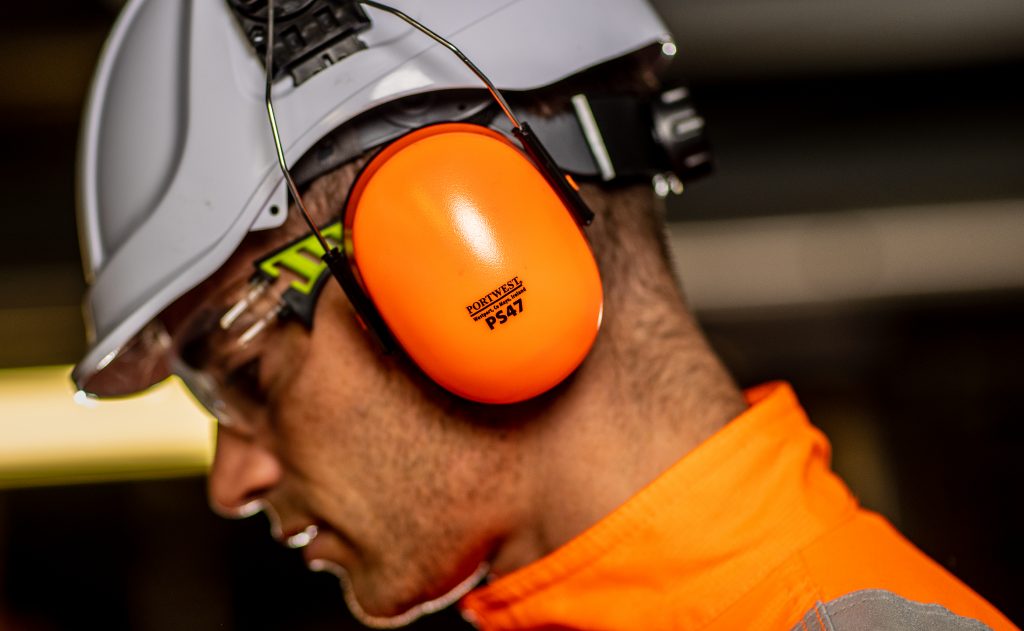
Ear Defenders & Ear Plugs
1. Q: Can I attach any ear defenders to a KASK helmet?
A: While KASK helmets may be compatible with some other brands, KASK has its own dedicated range of helmet-mounted ear defenders designed specifically for a seamless fit and optimum protection. These include the KASK SC1, SC2, and SC3 ear defenders.
2. Q: What's the difference between the KASK SC1, SC2, and SC3 ear defenders?
A: The primary difference lies in the level of noise protection offered. The SC1 is ideal for everyday use, the SC2 is designed for louder environments, and the SC3 is tailored for the harshest, loudest environments, offering maximum noise reduction.
3. Q: Are the ear defenders easy to attach and remove from the KASK helmets?
A: Yes, KASK's ear defenders are designed for easy attachment and detachment, ensuring flexibility based on your protection needs for the day.
4. Q: Where can I purchase the KASK range of ear defenders at the best prices?
A: OAKEYS Safety is a trusted KASK supplier and offers the entire KASK range at competitive prices.
5. Q: Are the KASK ear defenders adjustable for different head sizes?
A: Absolutely! KASK's ear defenders are designed with user comfort in mind and can be adjusted to fit a variety of head sizes securely.
6. Q: Can I use the KASK ear defenders even if I'm not in a construction or industrial environment?
A: Yes, while they're designed with industrial safety in mind, KASK ear defenders can be used in any environment where noise protection is desired, from landscaping to event setups.
7. Q: How do I maintain and clean my KASK ear defenders?
A: Regularly inspect your ear defenders for any signs of wear or damage. To clean, wipe them down with a mild detergent solution and let them air dry. Avoid using harsh chemicals or immersing them in water.
-
At OAKEYS Safety Ltd, we deal with branded workwear every day. Most orders follow a simple process: This case did not follow that pattern. What follows is a factual account of our experience working with DPS Embroidery (46 Hallam St, Balsall Heath, Birmingham B12 9PS), based on documented email correspondence across multiple orders. The Setup…
-
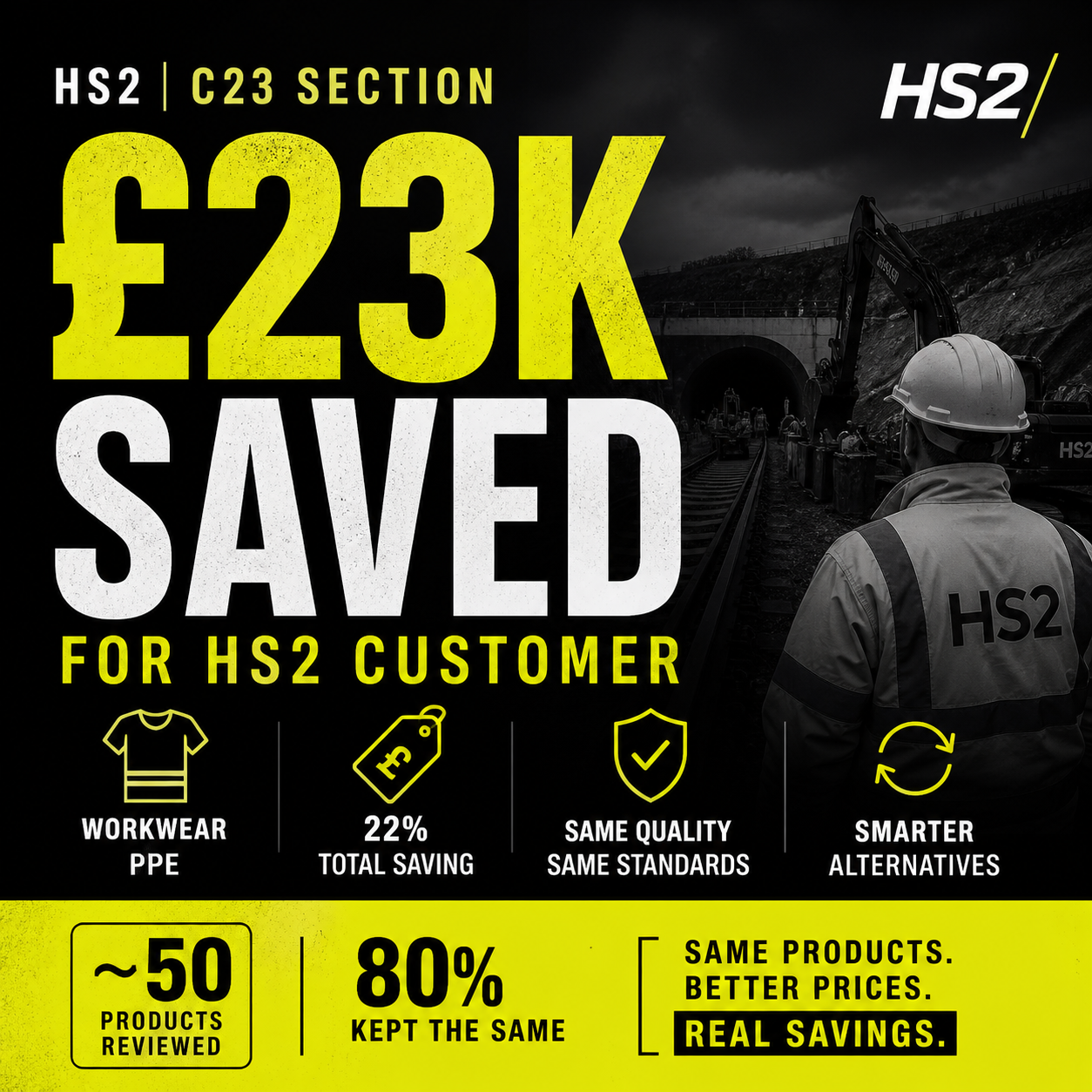
Most construction companies assume their workwear and PPE pricing is “about right”. In reality, we’re consistently seeing 15–25% savings available - without changing specifications, brands, or compliance standards. Here’s a real example from a contractor working on the HS2 C23 section. The Situation We were asked to review a company’s current workwear and PPE spend.…
-
If you are searching for cheap hi vis workwear, where to buy workwear, or a reliable PPE supplier in the UK, you are not alone. Most companies want better pricing, but very few actually know what they should be paying. At OAKEYS Safety Ltd, we have worked with over 50 UK businesses to compare their…