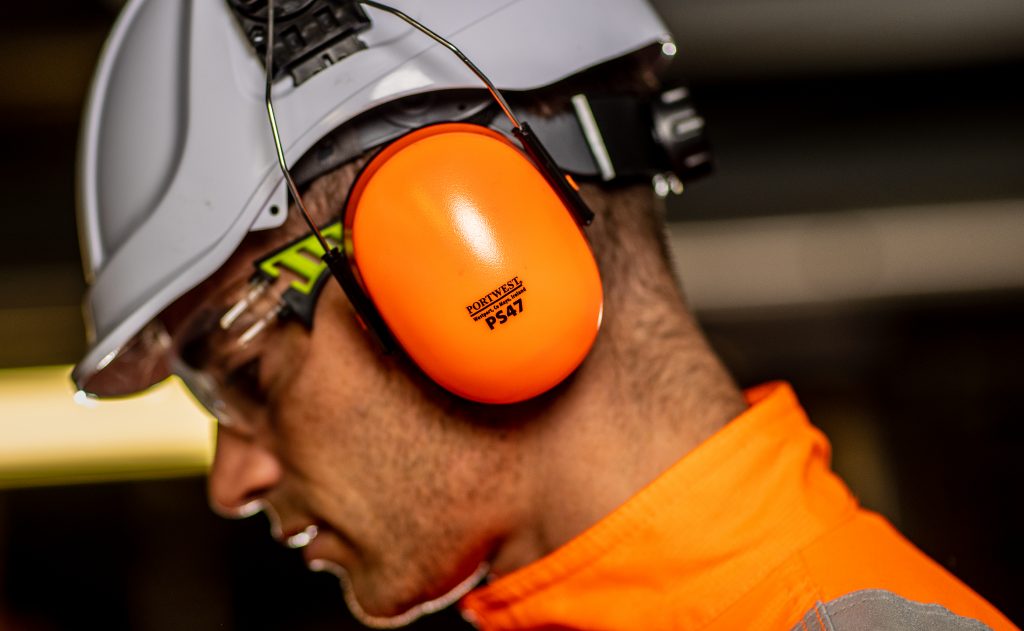
No, ear defenders do not completely block out all sound. Their primary function is to reduce sound to safer levels to help prevent hearing damage while still allowing important ambient sounds to be heard.
Understanding Ear Defenders:
- Types of Ear Defenders: There are two main types: passive and active. Passive ear defenders use materials such as foam to absorb sound, which is effective at blocking high-frequency noise. Active ear defenders use technology to cancel specific frequencies, ideal for continuous low-frequency background noise. Learn more about how ear defenders work from this detailed guide on Ear Defender UK.
- Noise Reduction Ratings (NRR): The effectiveness of ear defenders is measured by their Noise Reduction Rating (NRR), which usually ranges from 15 to 35 decibels. This rating shows how much sound the ear defenders can reduce.
The Importance of Not Blocking All Sound:
- Safety Concerns: Completely blocking all noise in environments such as workplaces can be hazardous. It's important that ear defenders reduce noise without isolating the wearer from necessary sounds like alarms or instructions. For an in-depth discussion on the balance between protection and awareness, check out the insights at NoisyWorld.
- Application Across Various Settings: Selecting ear defenders that provide protection while maintaining situational awareness is crucial, whether for industrial sites, shooting ranges, or noisy offices.
Choosing the Right Ear Defenders:
- Ear Defenders for Adults: It’s crucial to choose ear defenders that fit properly and provide sufficient noise reduction without completely cutting off the wearer from their environment.
- Best Ear Defenders: Look for products with high user ratings and reliable NRR figures. Product reviews and safety organisation recommendations can guide you to make an informed decision.
Conclusion:
While ear defenders are essential for protecting against hearing loss, they should not block all noise entirely. The ideal ear defenders will reduce dangerous noise levels while allowing other necessary sounds to be heard, ensuring safety and effective communication in noise-intensive environments.
Explore further on Health and Safety Executive (HSE) for more detailed guidelines and information on choosing the right ear defenders in the UK.
Ear Defenders & Ear Plugs
FAQs for the Blog on Ear Defenders
1. Do ear defenders block all noise?
No, ear defenders are designed to reduce noise to safer levels rather than blocking it entirely. They help protect against hearing damage while allowing you to hear necessary ambient sounds, such as alarms or conversations.
2. What are the types of ear defenders?
There are two main types of ear defenders: passive and active. Passive ear defenders use absorbent materials to block sound, and are especially effective against high-frequency noises. Active ear defenders use technology to cancel out specific sound frequencies, ideal for constant low-frequency background noise.
3. What should I look for in ear defenders?
When choosing ear defenders, consider the noise reduction rating (NRR), which measures how much sound the ear defenders can reduce. Also, consider the type of noise in your environment and whether you need to hear certain sounds for safety reasons.
4. Can ear defenders be harmful?
Properly used, ear defenders are not harmful and are crucial for protecting hearing in noisy environments. However, using ear defenders that overly isolate sound might prevent you from hearing important signals or warnings. It's important to choose the right type for your specific needs.
5. How often should ear defenders be replaced?
The lifespan of ear defenders depends on their type and how frequently they are used. Regularly check them for wear and tear, and consult the manufacturer's guidelines on when to replace them.
6. Are there ear defenders for specific environments like shooting ranges or industrial sites?
Yes, there are ear defenders specifically designed for environments with unique acoustic challenges, such as shooting ranges or industrial sites. These often have higher NRRs and specific features like active noise cancellation for sudden, loud noises.
7. What is the difference between earplugs and earmuffs?
Earplugs are inserted into the ear canal and are generally used for moderate noise levels. Earmuffs fit over the entire outer ear and provide better noise reduction by creating a seal around the ear. Each has advantages depending on the noise level and personal comfort preferences.
-
Introducing Portwest ES1 Workwear Everyday Essentials Rebuilt OAKEYS Safety Ltd is officially committing to the new Portwest ES1 Workwear range – a super budget, high volume collection designed to reset expectations in everyday site clothing. If you are searching Portwest ES1 workwear, Portwest ES1 hi vis, or Portwest ES1 polo shirts UK, you are early…
-
Choosing the best hi vis executive vest in 2026 is about more than basic visibility. For site managers, supervisors and team leaders, an executive vest needs to balance compliance, storage, comfort and professional appearance. At OAKEYS Safety, we supply thousands of hi vis executive vests every year across construction, rail, utilities and infrastructure projects. From…
-
Choosing the best hi vis bodywarmer in 2026 is about finding the right balance between warmth, comfort, compliance and value. On UK construction sites and rail infrastructure, bodywarmers are one of the most relied upon layers, offering insulation and visibility without the bulk or restriction of a full jacket. At OAKEYS Safety, we supply thousands…