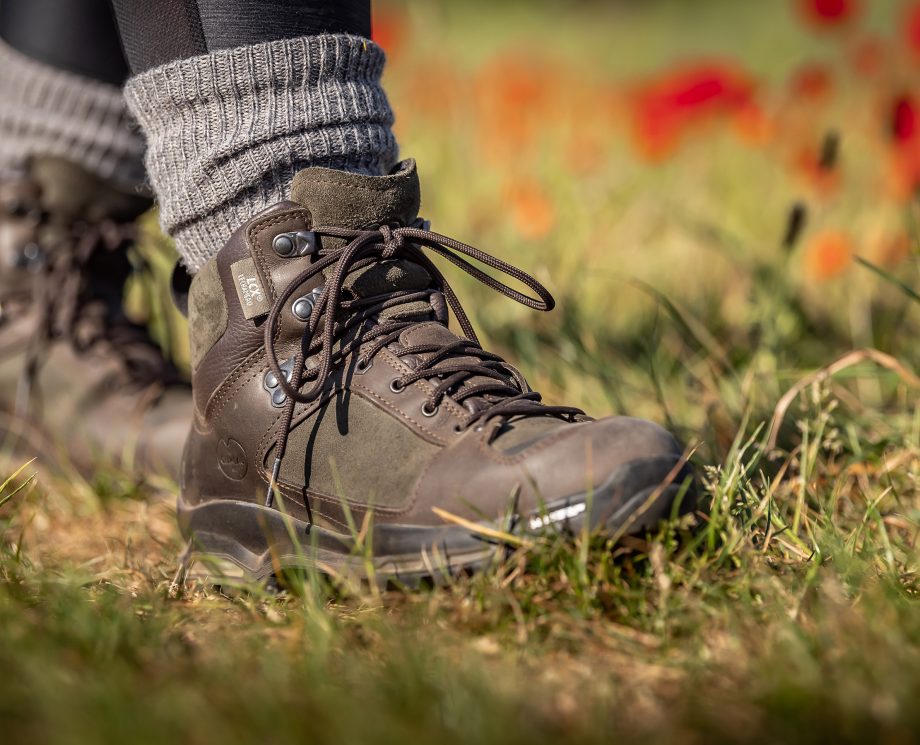
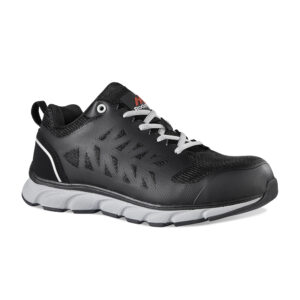
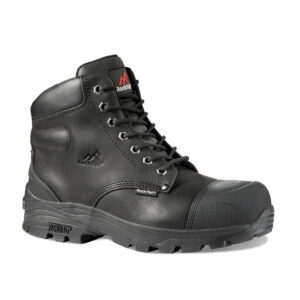
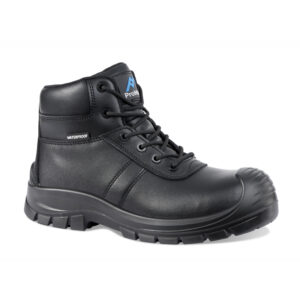
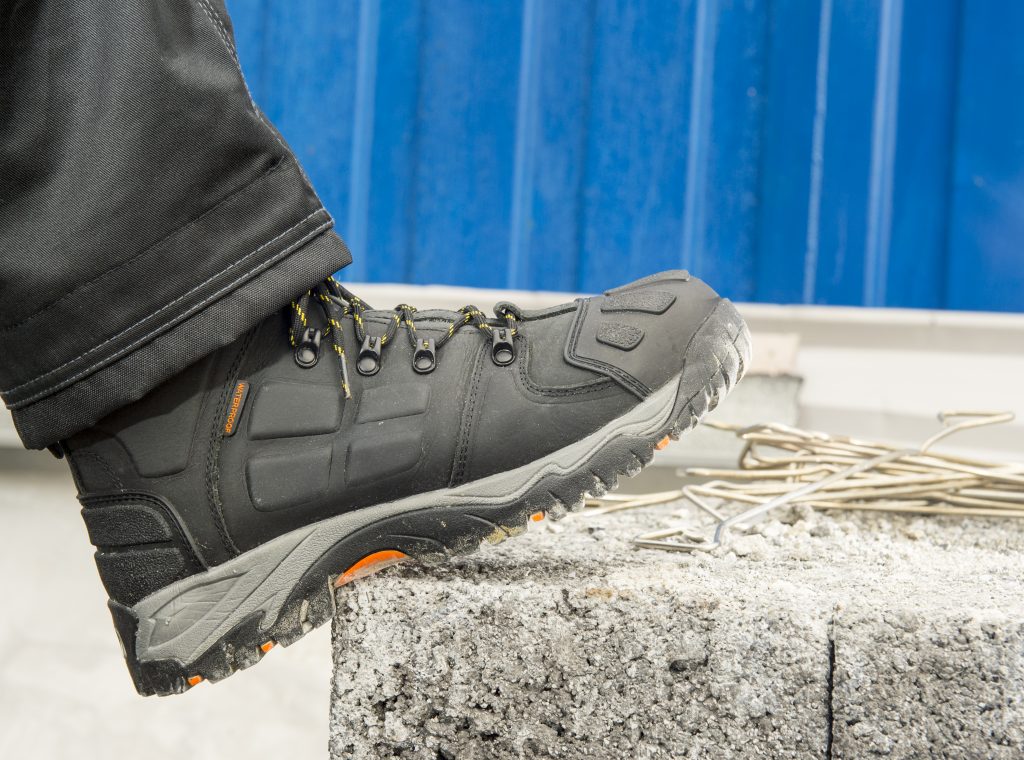
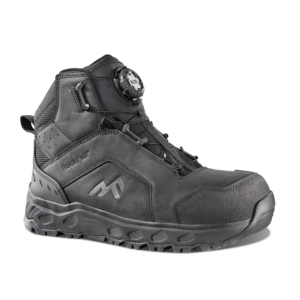
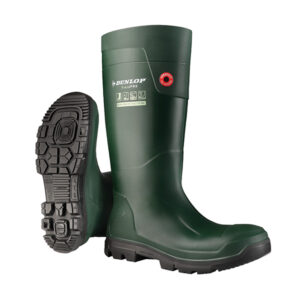
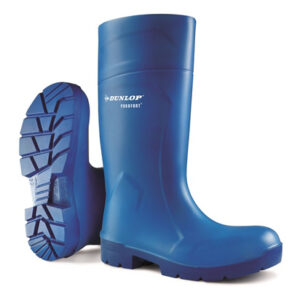
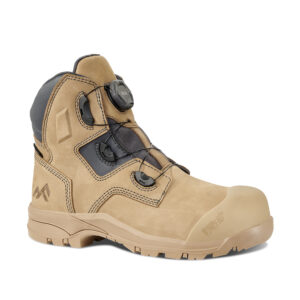
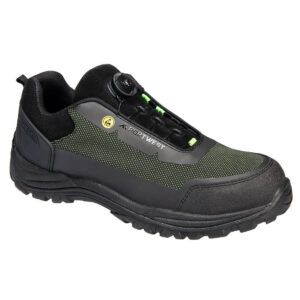
Walking boots are a type of footwear specifically designed for outdoor activities such as hiking and backpacking.
They are typically made with durable materials, have a sturdy construction, and offer good support and protection for the feet and ankles.
With these features, it's no wonder that some people might consider using walking boots as work boots. But can they really be used for this purpose?
There are a few things to consider when deciding whether or not walking boots can be used as work boots. The first and perhaps most important factor is the type of work you do.
If you work in a construction site or other environment where you are constantly on your feet and exposed to rough and uneven terrain, then walking boots might be a good choice.
They are built to withstand such conditions and can provide the support and protection you need to stay comfortable and safe on the job.
On the other hand, if you work in an office or other indoor setting, walking boots might not be the most practical choice. They are designed for outdoor activities and may not be suitable for the indoor environment.
They may also be too heavy or clunky for everyday wear, which could be uncomfortable or inconvenient for those who spend a lot of time on their feet.
Another thing to consider is the fit and comfort of the walking boots. It's important to find a pair that fits well and feels comfortable to wear for long periods of time.
Walking boots are typically designed to be worn with thick socks, so if you plan on using them as work boots, you might need to find a pair that fits well with your normal work socks.
It's also a good idea to try on the boots and walk around in them before making a purchase to ensure that they are comfortable and provide the support you need.
One potential drawback of using walking boots as work boots is that they may not offer the same level of protection as a dedicated work boot.
While walking boots are designed to be durable and provide good support and protection, they may not have the same features as a work boot specifically designed for industrial environments.
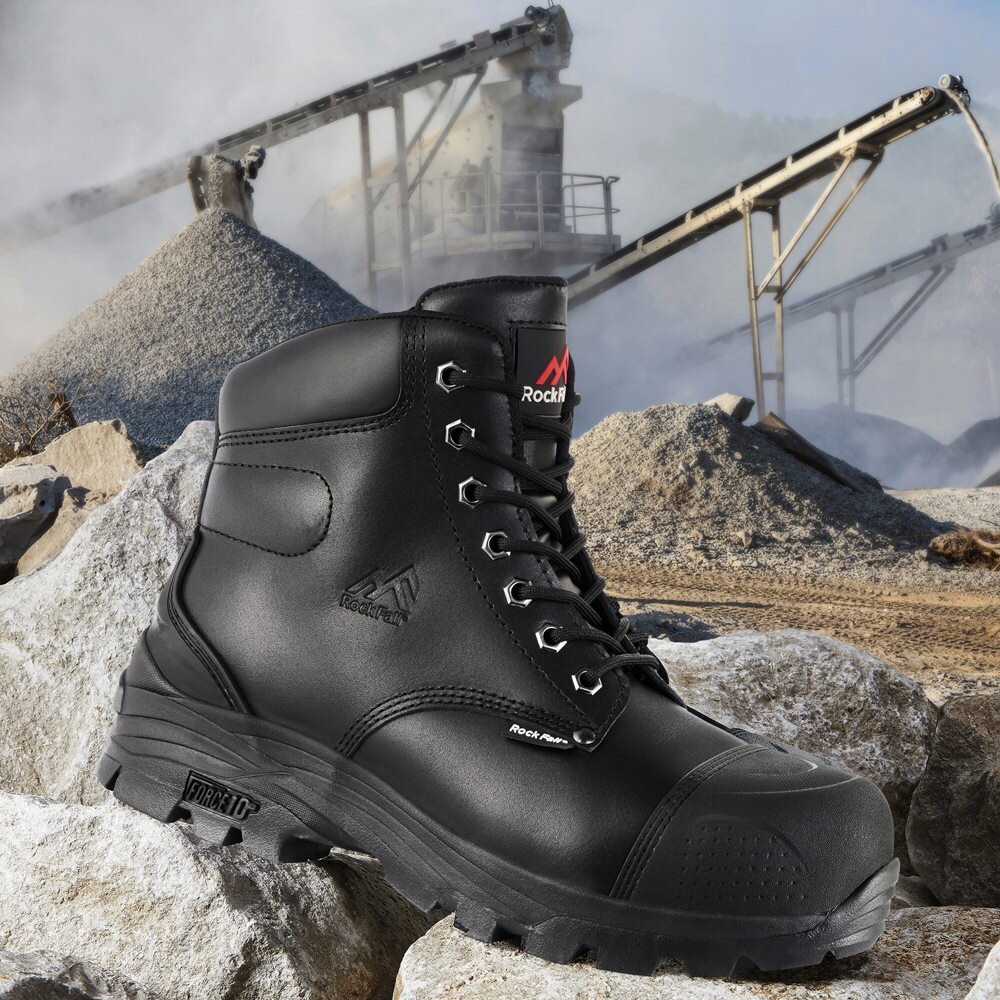
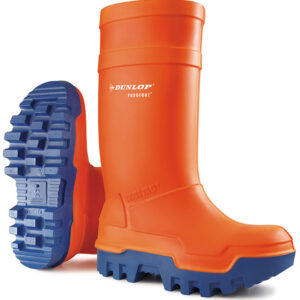
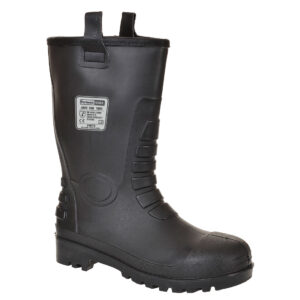
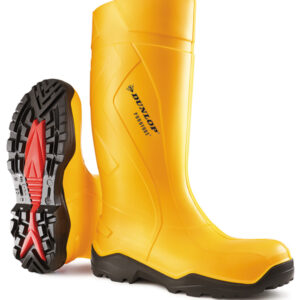
For example, work boots often have reinforced toes and puncture resistant soles to protect against sharp objects and other hazards.
If you work in a high risk environment, you may want to consider a dedicated work boot for added protection.
Finally, it's worth considering the cost of walking boots compared to work boots. Hiking boots can be more expensive than work boots, especially if you opt for a high quality pair.
If you are on a budget or need to purchase multiple pairs of boots for work, you may want to consider a more affordable option.
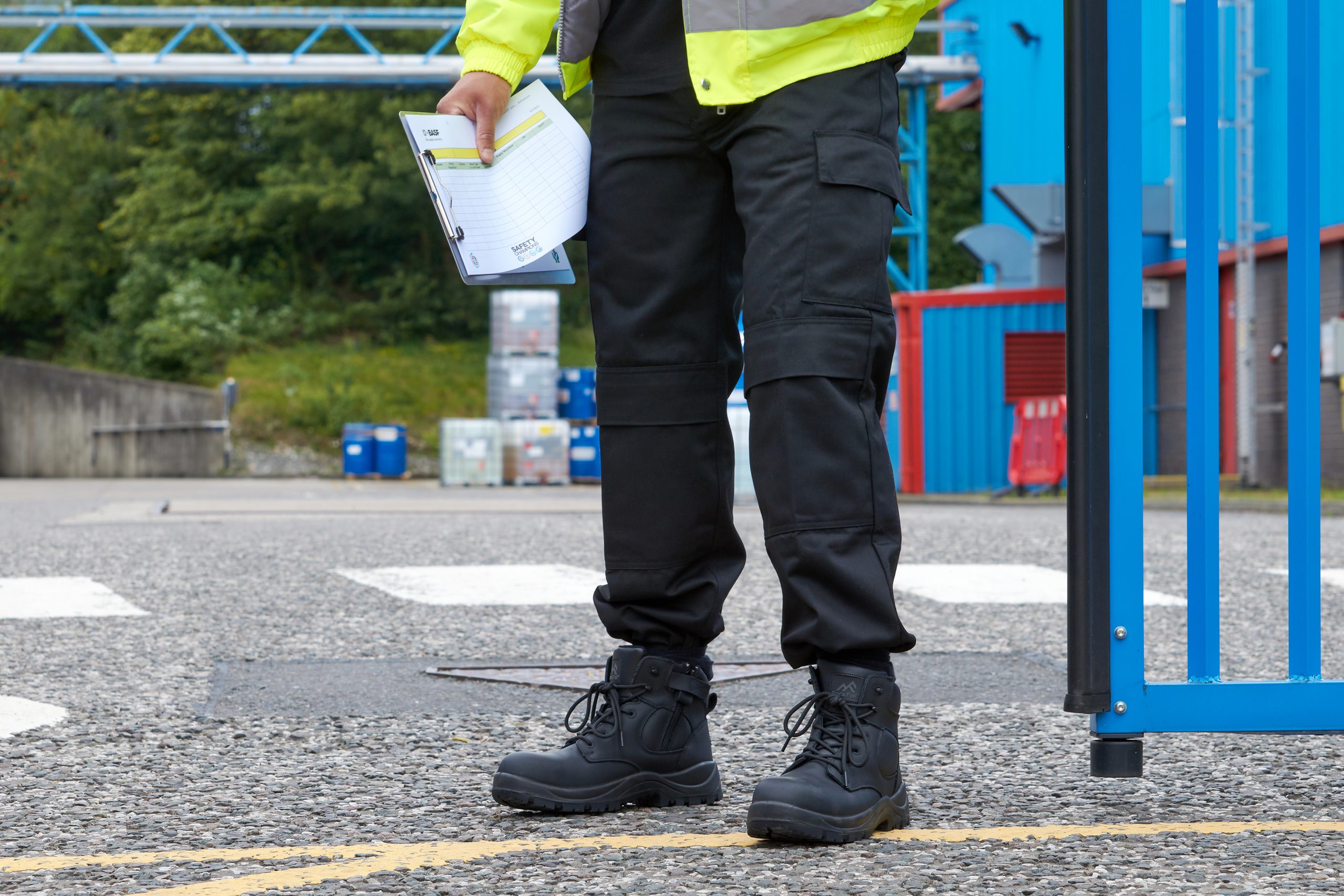
You should always carry out a risk assessment to understand the PPE required on a construction site, in most cases having steel toe cap work boots is essential however if you only occupy an area with no risks then other options can be available.
Conclusion
In conclusion, walking boots can be used as work boots in certain situations, but it's important to consider the type of work you do, the fit and comfort of the boots, and the level of protection they offer.
If you work in an outdoor environment or one with rough and uneven terrain, walking boots may be a good choice.
However, if you work in an indoor setting or need added protection against specific hazards, a dedicated work boot may be a better option.
As always, it's important to choose a pair of boots that fits well and feels comfortable to wear for long periods of time.
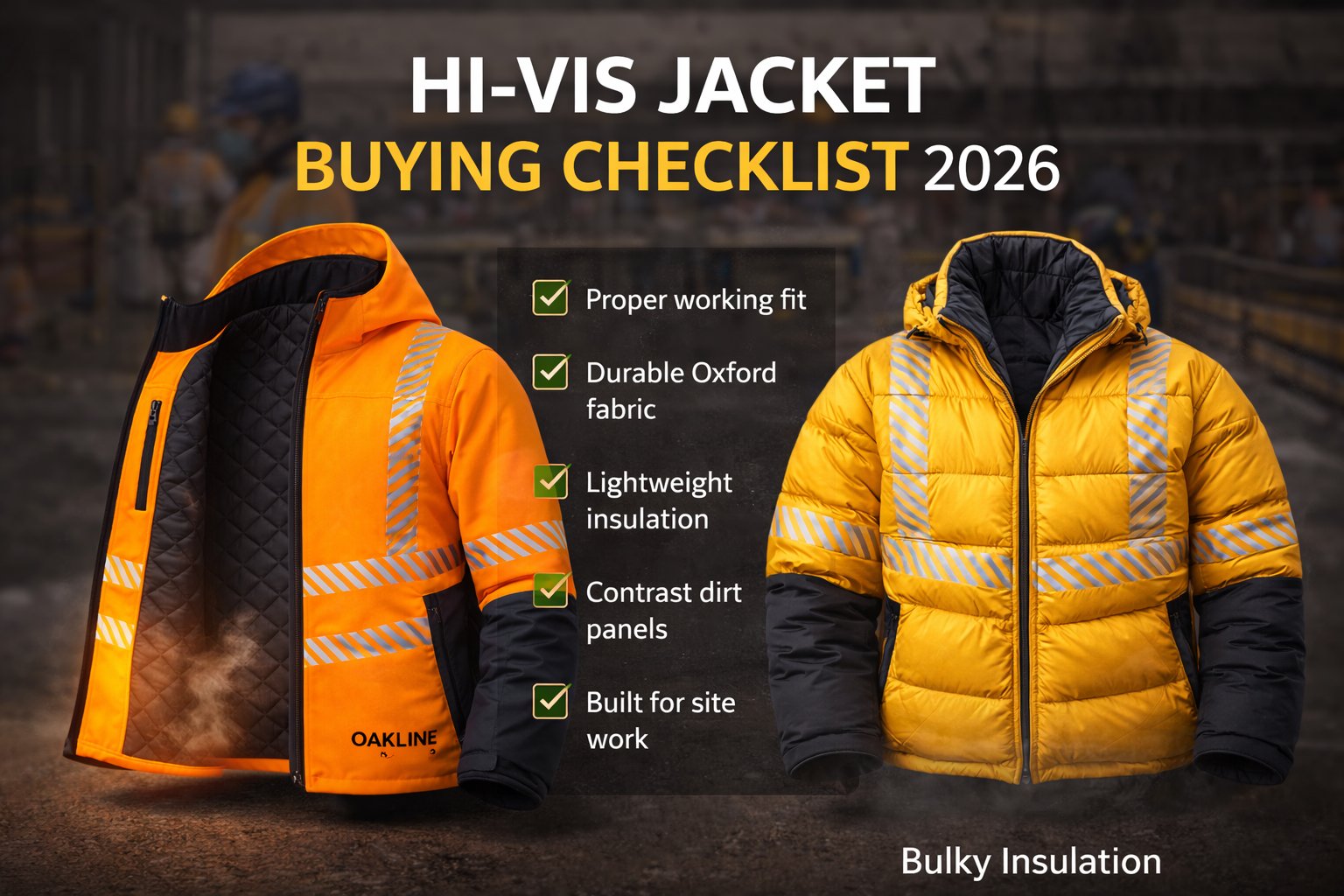
What Construction Workers Should Look For Before Buying Choosing a hi-vis jacket might seem straightforward, but the differences between garments can be significant once you start comparing them. Construction workers often wear hi vis jackets for long hours on active job sites, so factors like durability, fit and comfort quickly become just as important as…
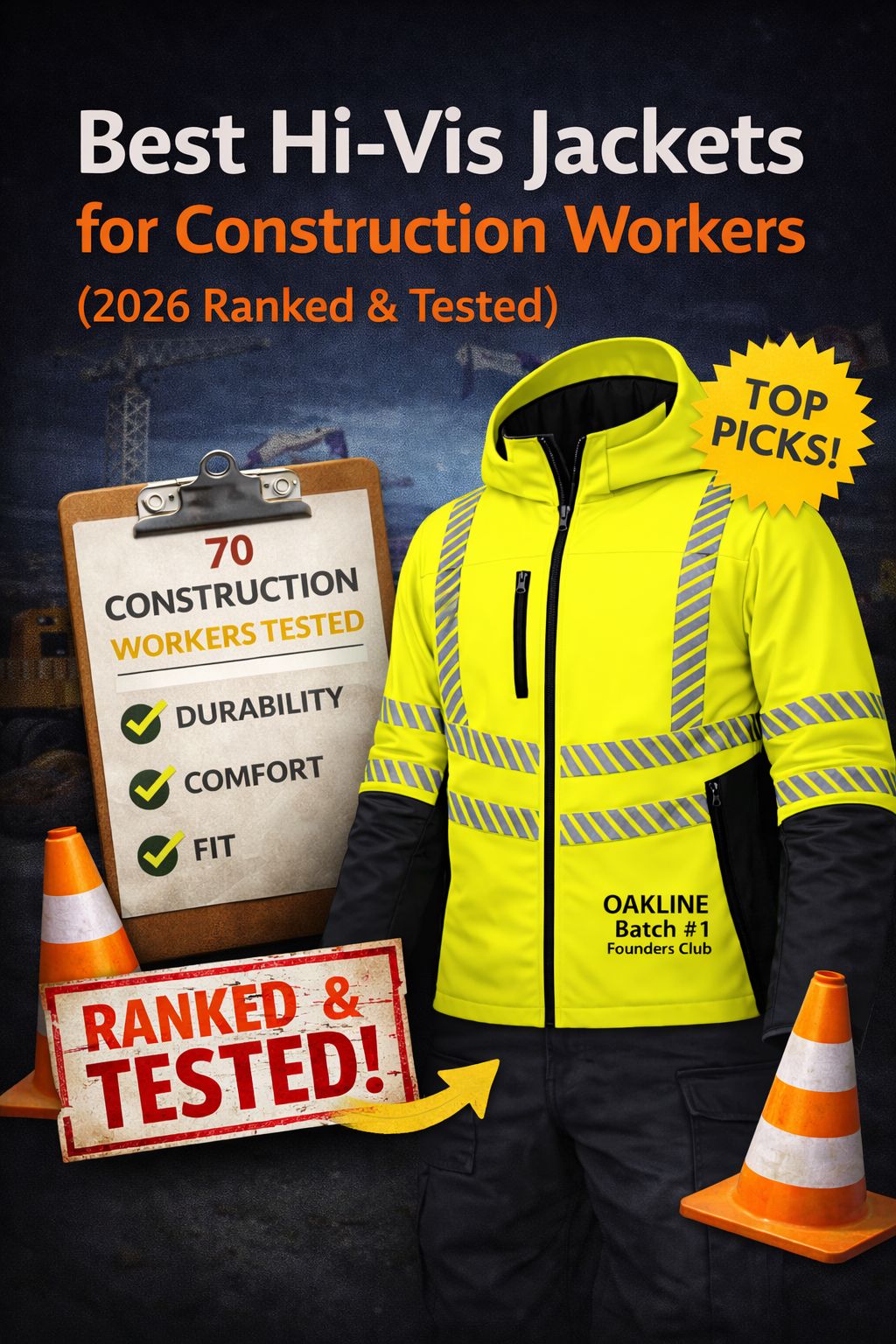
Choosing the best hi-vis jacket for construction work isn’t just about price. To understand what actually works on site, we spoke to 70 construction workers across multiple UK sites including groundworkers, scaffolders, plant operators and site managers. We asked a simple question: “Which hi-vis jackets actually hold up during real construction work?” Based on feedback…
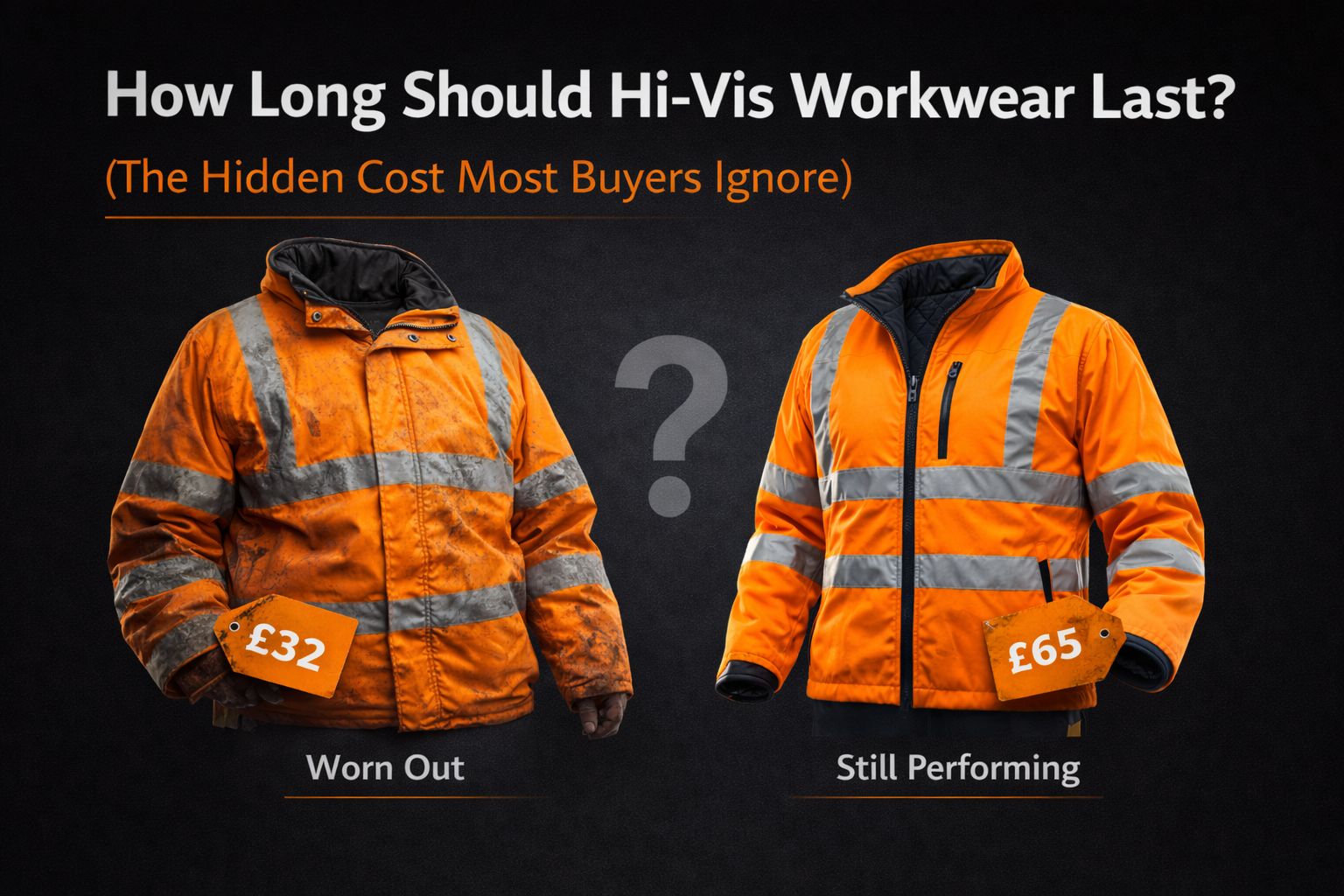
When companies purchase hi-vis workwear, the first comparison most buyers make is price. But price alone rarely tells the full story. Two jackets can both be EN ISO 20471 Class 3 compliant, both appear identical when new, and both technically meet safety requirements. Yet one may last 8 months, while another lasts 16 months or…