For individuals with beards, finding a mask that offers both comfort and effective protection can be a challenge. Beards can interfere with the seal of many tight-fitting respirators, rendering them less effective. This includes a range of masks from disposable options to half and full-face respirators. However, all is not lost for the bearded community—there are suitable alternatives that cater specifically to those sporting facial hair.
The Challenge with Beards and Traditional Masks
The main issue with wearing masks when you have a beard is the difficulty in achieving a proper seal around the face. Whether it's for daily protection against pollutants and viruses or for occupational safety in environments with hazardous materials, a good seal is crucial. Unfortunately, tight-fitting respirators are generally incompatible with beards. These include:
- Disposable Masks: Commonly used for light protection against dust and pathogens, these masks require direct contact with the skin to be effective.
- Half Masks: These cover the nose and mouth and are used in environments with non-toxic substances. The presence of a beard can disrupt the seal.
- Full Face Masks: Offering more comprehensive coverage, these too require a close, uninterrupted contact with the skin to function properly.
A Suitable Solution: Powered Air Respirators
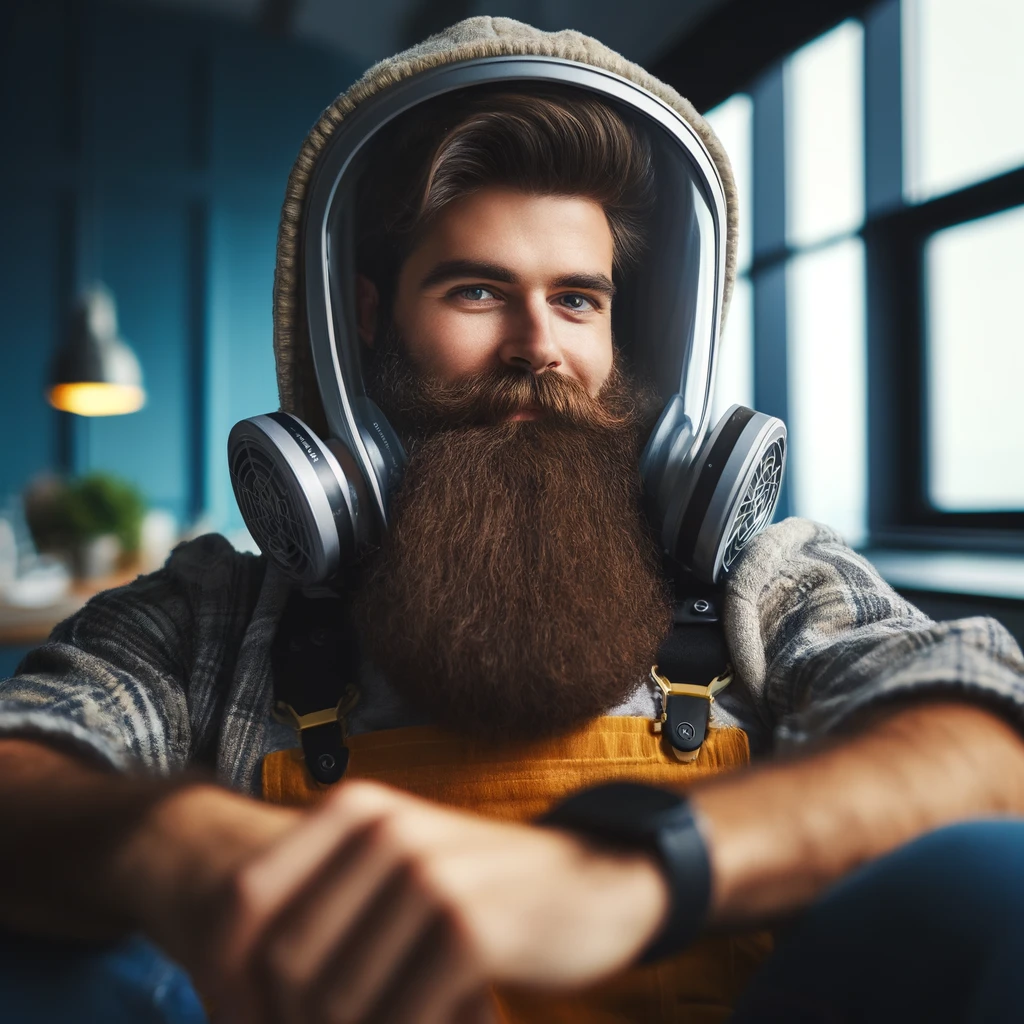
For those with beards, powered air purifying respirators (PAPRs) provide a reliable alternative. These devices do not rely on a tight seal against the face. Instead, they use a battery-powered blower to pull air through filters, then deliver the purified air to a loose-fitting hood or helmet. This system allows for continuous airflow and filtration without the need for a seal against the skin, making them ideal for bearded users.
One of the standout options in this category is the 3M Versaflo TR-800 Series Powered Air Respirator. Here’s why it stands out:
1. Comfort and Ease of Use
The Versaflo TR-800 is designed with comfort in mind. It features an adjustable suspension that can be tailored to fit different head sizes and shapes, and its loose-fitting nature means it comfortably accommodates a beard.
2. High-Efficiency Filtration
Despite the loose fit, there is no compromise on safety. The TR-800 uses high-efficiency filters that can remove particulates, gases, and vapors from the airflow, depending on the filter type used.
3. Durability and Battery Life
Built for rigorous use, this respirator is a durable choice for both professional and personal use. Its long battery life ensures continuous protection throughout the day.
4. Regulatory Compliance
The TR-800 meets all relevant safety standards and regulations, providing peace of mind in terms of occupational safety compliance.
Conclusion: Balancing Safety and Comfort
For bearded individuals, the quest for a suitable mask can be daunting. While tight-fitting respirators are not an option due to the beard interfering with the seal, powered air respirators like the 3M Versaflo TR-800 offer a practical solution. They provide both high-level protection and the comfort needed for long-term use.
In settings where respiratory protection is required, it’s essential to choose equipment that doesn't compromise on safety or comfort. For those with beards, investing in a quality powered air respirator is a step towards ensuring both.
Respiratory Masks
FAQs: Choosing Masks for Bearded Individuals
1. Can I wear a regular disposable mask if I have a beard?
Answer: While you can physically wear a disposable mask with a beard, it may not provide a proper seal around your face, which is essential for optimal protection. Air leakage around the mask reduces its effectiveness, especially in preventing the inhalation of harmful particles.
2. Why can't I use a half-mask or full-face respirator with a beard?
Answer: Half-masks and full-face respirators need to form a tight seal against your skin to function correctly. A beard interferes with this seal, allowing contaminated air to leak into the mask, thereby reducing the respirator's effectiveness.
3. What type of mask should I use if I have a beard and need respiratory protection?
Answer: Powered air purifying respirators (PAPRs) like the 3M Versaflo TR-800 Series are ideal for individuals with beards. These devices use a battery-powered system to push air through a filter, supplying clean air to a loose-fitting hood or helmet, which does not require a tight seal around the face.
4. Are powered air respirators as effective as tight-fitting masks?
Answer: Yes, when used correctly, powered air respirators provide a high level of protection. They are particularly effective because they create positive pressure inside the mask or hood, preventing unfiltered air from entering, even without a tight seal against the face.
5. How do I maintain and clean a powered air respirator?
Answer: Maintenance involves regular cleaning of the loose-fitting hood or helmet with appropriate cleaning wipes or solutions, checking and replacing the filters as needed, and ensuring the battery is charged. Always refer to the manufacturer’s guidelines for specific maintenance instructions.
6. Are there any disadvantages to using a powered air respirator?
Answer: The main disadvantages are the initial cost, which can be higher than standard masks, and the weight of the battery-powered unit. However, the benefits, particularly for those with beards, often outweigh these factors.
7. Where can I purchase a powered air respirator like the 3M Versaflo TR-800?
Answer: Powered air respirators can be purchased from industrial safety supply stores, directly from manufacturers like 3M, or through online retailers that specialize in safety equipment.
8. Is training required to use a powered air respirator?
Answer: While powered air respirators are generally user-friendly, basic training on how to use and maintain the device is recommended to ensure it functions correctly and provides the maximum level of protection.
-
At OAKEYS Safety Ltd, we deal with branded workwear every day. Most orders follow a simple process: This case did not follow that pattern. What follows is a factual account of our experience working with DPS Embroidery (46 Hallam St, Balsall Heath, Birmingham B12 9PS), based on documented email correspondence across multiple orders. The Setup…
-
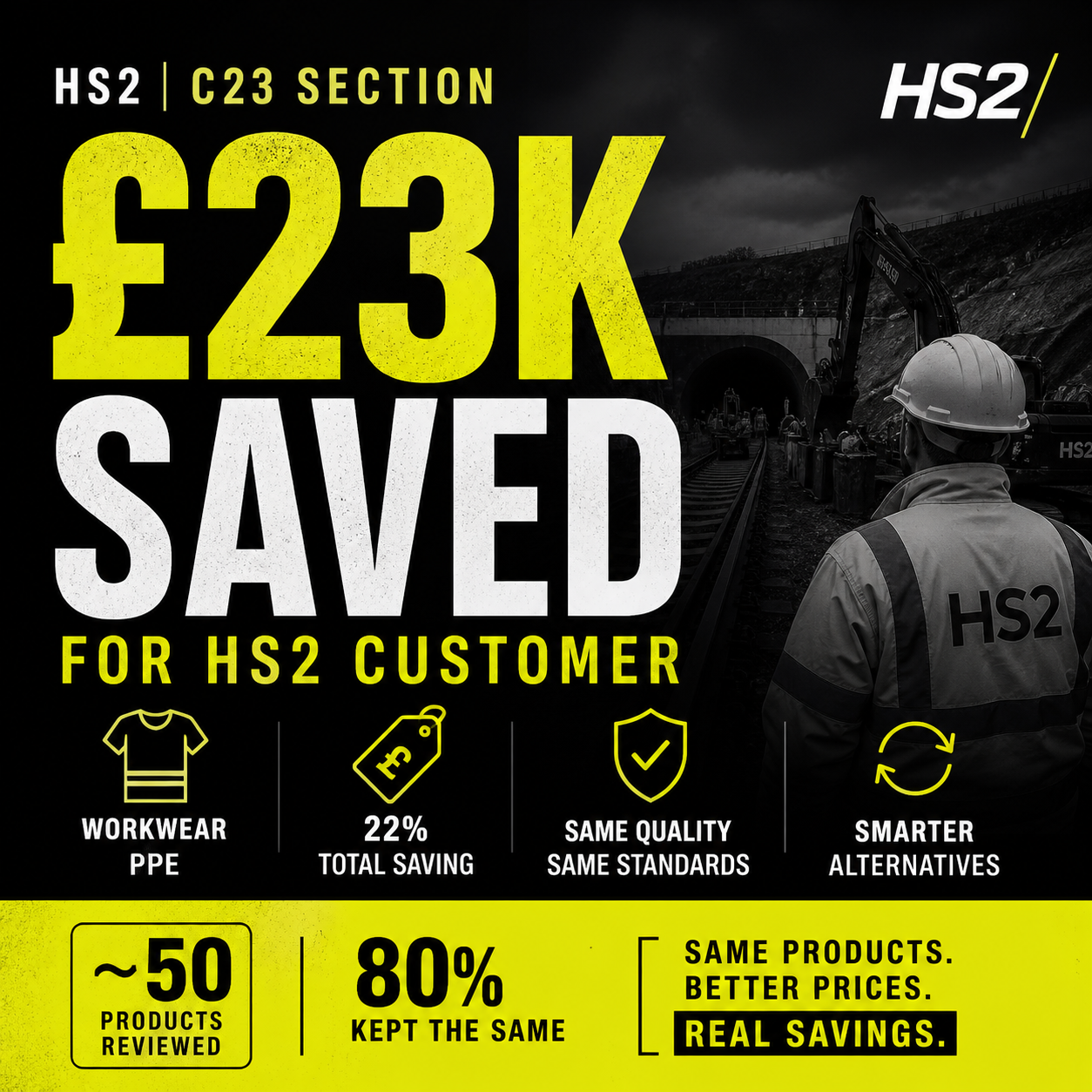
Most construction companies assume their workwear and PPE pricing is “about right”. In reality, we’re consistently seeing 15–25% savings available - without changing specifications, brands, or compliance standards. Here’s a real example from a contractor working on the HS2 C23 section. The Situation We were asked to review a company’s current workwear and PPE spend.…
-
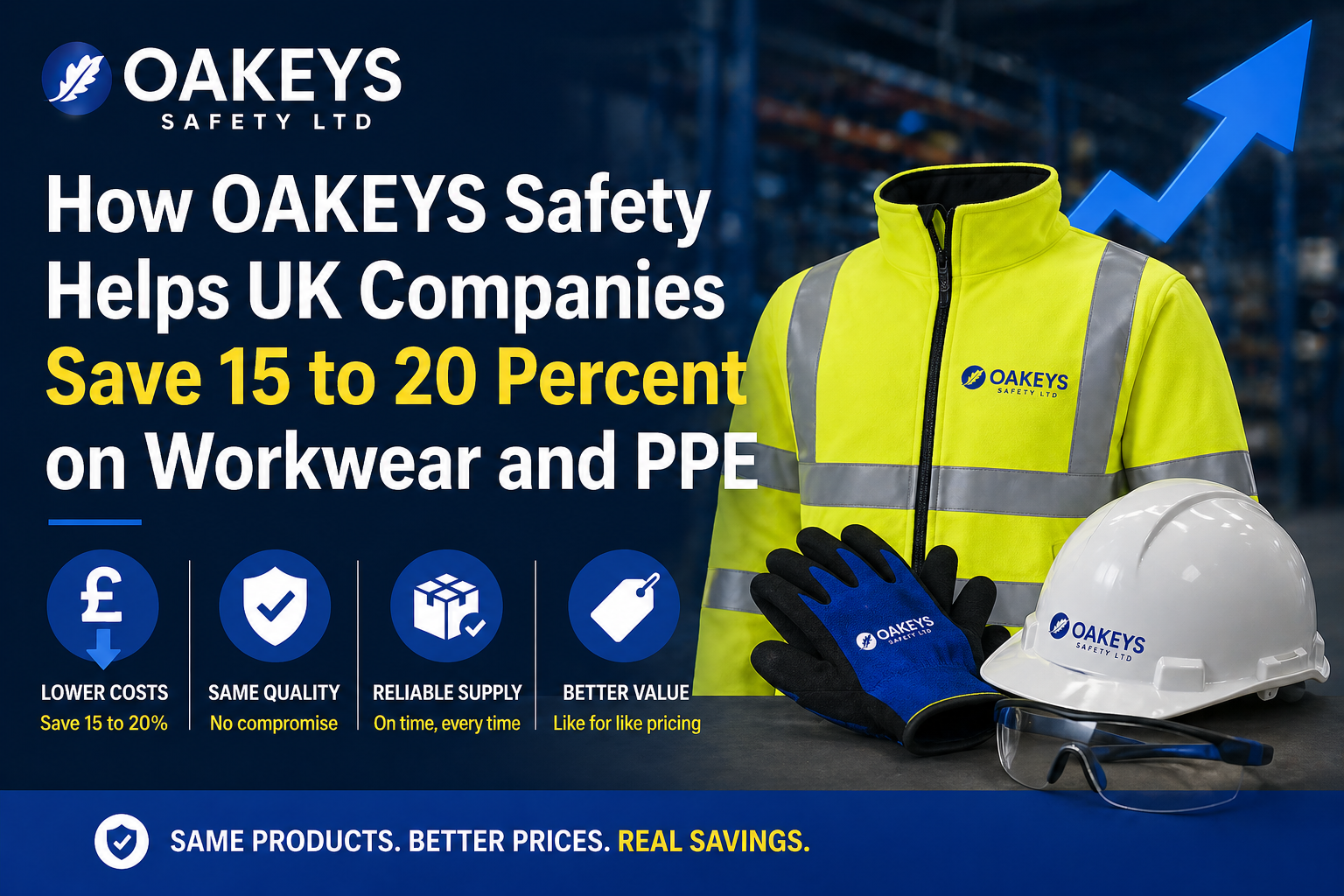
If you are searching for cheap hi vis workwear, where to buy workwear, or a reliable PPE supplier in the UK, you are not alone. Most companies want better pricing, but very few actually know what they should be paying. At OAKEYS Safety Ltd, we have worked with over 50 UK businesses to compare their…