In the world of hearing protection, knowing when to replace your earplugs is crucial for maintaining effective noise reduction and ensuring ear health.
Here’s a comprehensive guide on the types of earplugs and their replacement schedules, drawn from recent findings and expert recommendations.
Disposable Ear Plugs
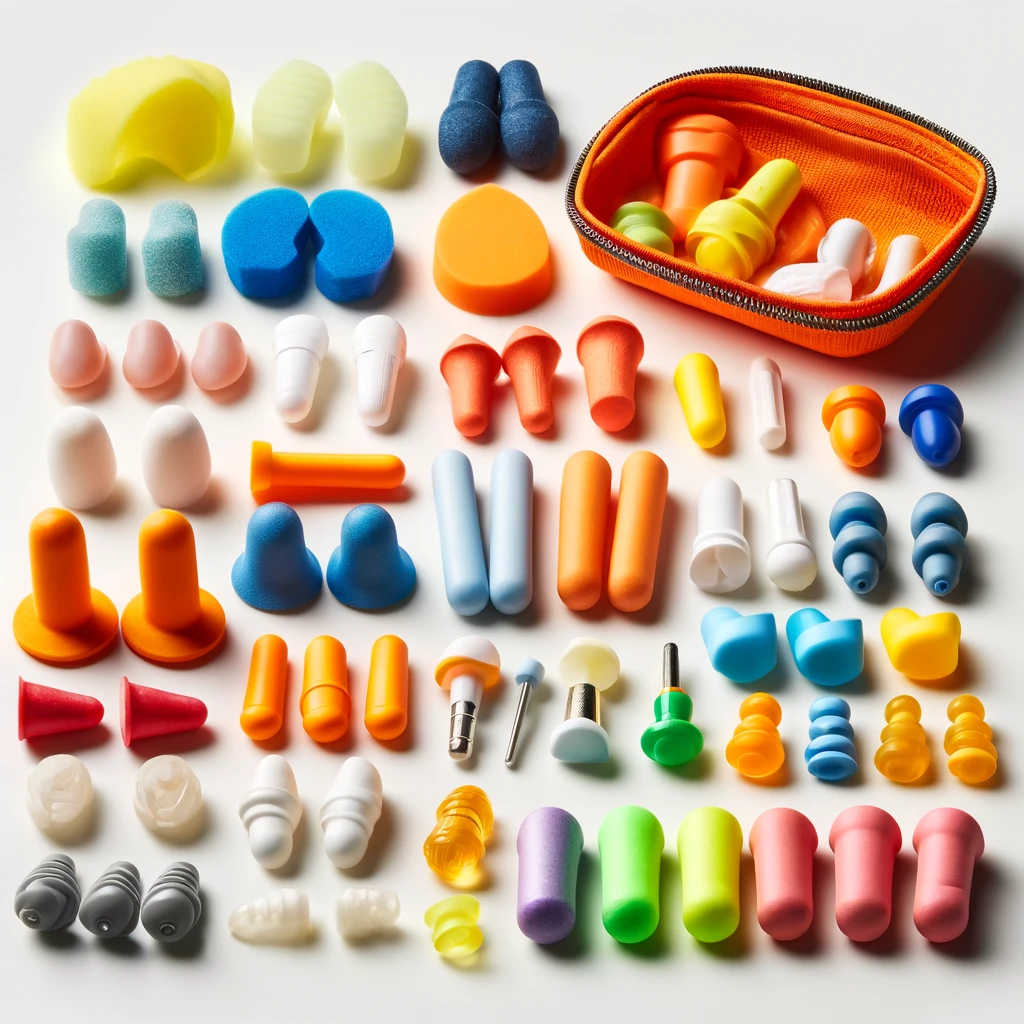
Disposable ear plugs are made for short-term use and are generally intended to be thrown away after one or two uses. They are typically made of foam that expands to fill the ear canal and should be discarded when they no longer regain their original shape or become dirty. These ear plugs are cost-effective and hygienic since they minimise the risk of ear infections caused by repeated use (hearprotek).
Reusable Ear Plugs
Reusable ear plugs, such as the Portwest EP10 Reusable TPR Ear Plugs, offer a longer lifespan and can be cleaned and reused. These are generally made of silicone or other durable materials. Proper care, including regular cleaning and storage in a protective case, is essential to extend their usability. Typically, reusable earplugs should be replaced every 2-4 weeks to ensure they remain effective and hygienic (Home).
Industrial Ear Plugs
Industrial ear plugs are designed for environments with high levels of noise and often have higher Noise Reduction Ratings (NRR). For example, custom moulded earplugs like those from Decibullz, which are praised for their noise reduction capabilities and comfort, can last several years if properly maintained. However, the actual replacement schedule can vary based on the specific work environment and the type of earplugs used (DoctEar).
Noise Reducing Ear Plugs
Both disposable and reusable earplugs can serve as noise reducing ear plugs. Their effectiveness depends on a proper fit and the condition of the earplugs. Noise reducing earplugs should fit well and be free of damage to effectively block harmful noise levels. For instance, foam earplugs, often used as noise reducers, are typically replaced after each use or when they start to degrade (hearprotek).
It's also crucial to choose the right type of earplug for your needs, taking into account factors such as the specific noise environment and personal comfort. For more detailed information on selecting and caring for earplugs, you can explore resources and recommendations from experts in the field, such as those available from Honeywell and 3M (3M) (hearprotek).
For further reading and detailed guides on earplugs, you might find the following resources helpful:
This should give you a solid understanding of when and why to replace various types of earplugs to ensure optimal hearing protection.
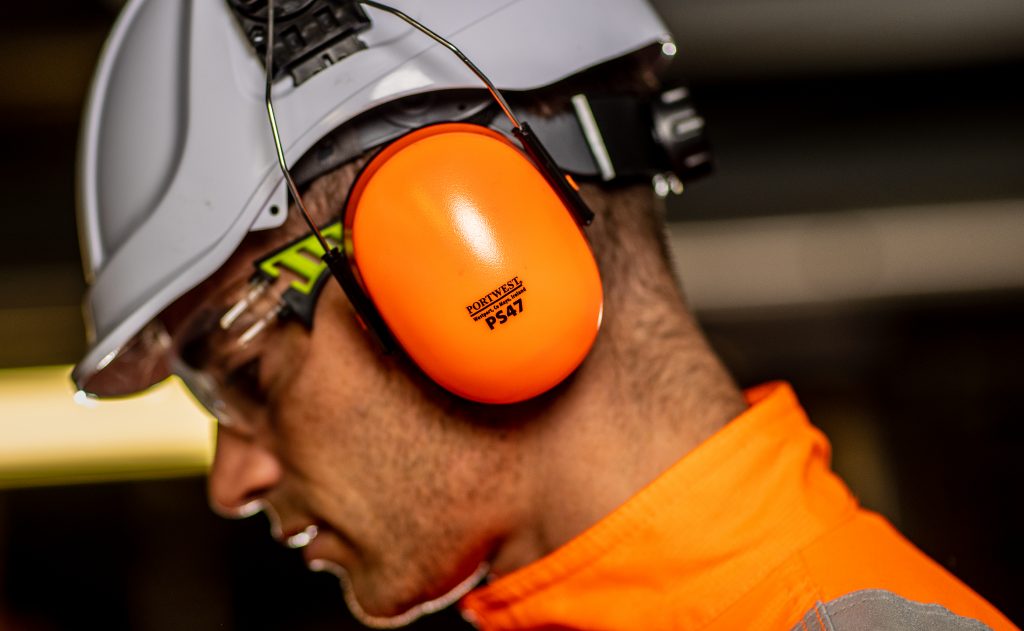
Ear Defenders & Ear Plugs
- How often should disposable ear plugs be replaced? Disposable ear plugs should be replaced after each use or if they become dirty or no longer regain their original shape. This is crucial to maintain their effectiveness in noise reduction and to ensure hygiene (hearprotek).
- Can reusable ear plugs be cleaned, and if so, how? Yes, reusable ear plugs can be cleaned. They should be washed with mild soap and warm water, dried thoroughly, and stored in a protective case to maintain their condition. Regular cleaning helps extend their lifespan and effectiveness (Home).
- What is the typical lifespan of industrial ear plugs? The lifespan of industrial ear plugs can vary widely depending on their material and usage conditions. Custom molded earplugs, for example, can last several years with proper care. However, always check for signs of wear or damage that might compromise their protective qualities (DoctEar).
- How do I know if my ear plugs are still effective? To test effectiveness, ensure the ear plugs fit snugly without gaps and block out noise significantly. Replace them if they show signs of physical damage, such as tears or loss of form, or if they no longer fit properly (3M).
- Are there different types of ear plugs for different noise environments? Yes, ear plugs come in various types designed for specific environments. For instance, foam earplugs are suitable for short-term use in moderately noisy environments, while silicone or custom molded earplugs are better for long-term use in high-noise areas like industrial settings (hearprotek).
- What is the Noise Reduction Rating (NRR), and why is it important? The Noise Reduction Rating (NRR) is a measure of how much noise an earplug can effectively block out. It is crucial to choose earplugs with an appropriate NRR for your environment to ensure adequate protection against hearing damage (Headphonesty).
- Can ear plugs cause ear infections? If not used or maintained properly, ear plugs can contribute to ear infections. Disposable ear plugs should be discarded after use to prevent bacteria build-up, and reusable ear plugs need regular cleaning (hearprotek).
-
For workwear distributors, being competitive often comes down to two things: product availability and buying price. Portwest is one of the biggest names in UK workwear, high visibility clothing and PPE. But not every reseller has access to a direct Portwest account or the buying terms needed to compete aggressively. That is where OAKEYS Safety…
-
At OAKEYS Safety Ltd, we deal with branded workwear every day. Most orders follow a simple process: This case did not follow that pattern. What follows is a factual account of our experience working with DPS Embroidery (46 Hallam St, Balsall Heath, Birmingham B12 9PS), based on documented email correspondence across multiple orders. The Setup…
-
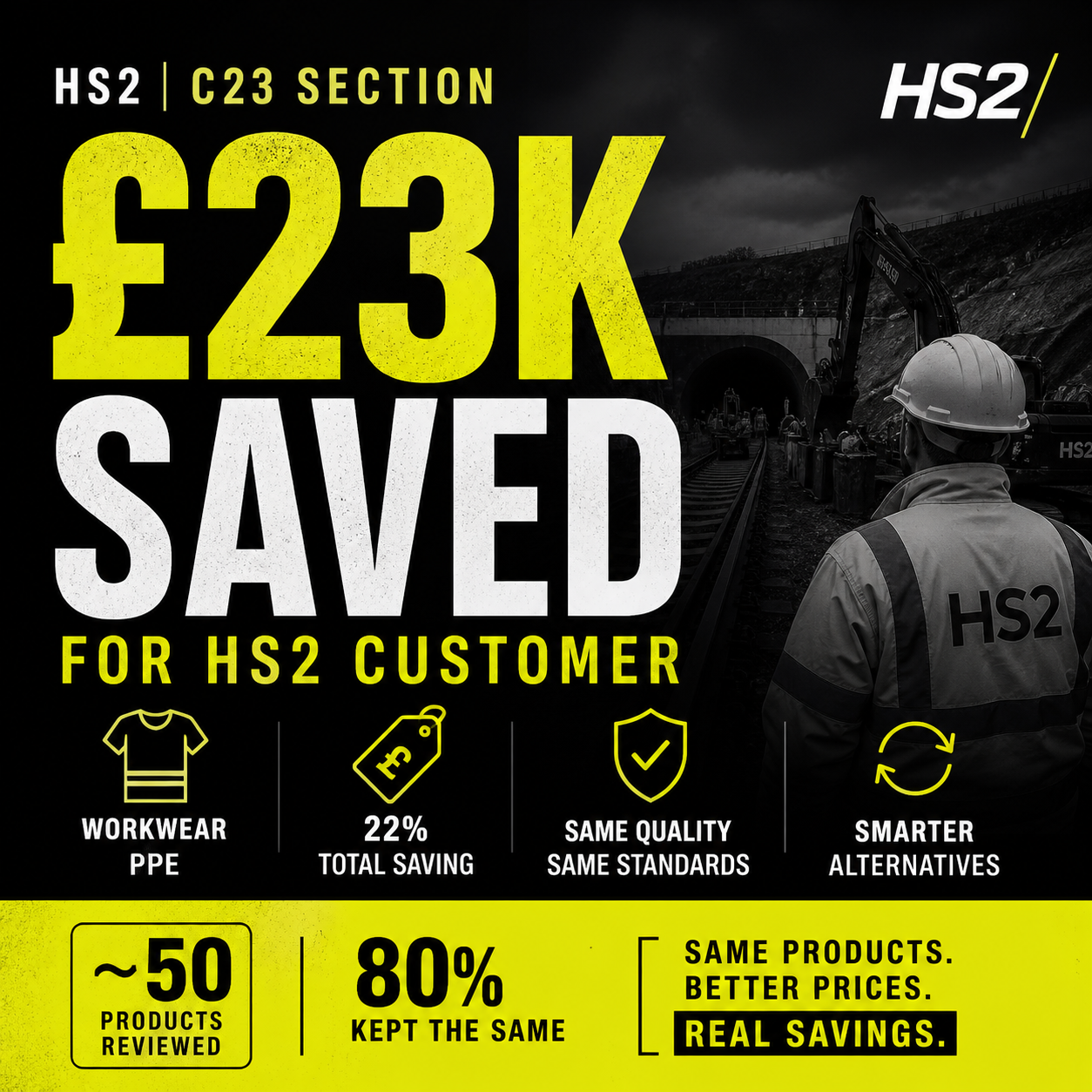
Most construction companies assume their workwear and PPE pricing is “about right”. In reality, we’re consistently seeing 15–25% savings available - without changing specifications, brands, or compliance standards. Here’s a real example from a contractor working on the HS2 C23 section. The Situation We were asked to review a company’s current workwear and PPE spend.…