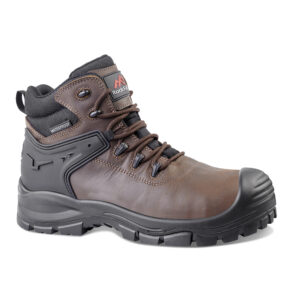
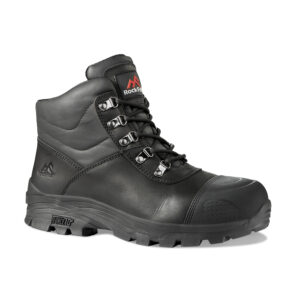
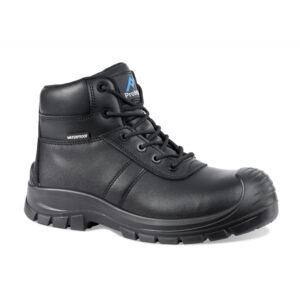
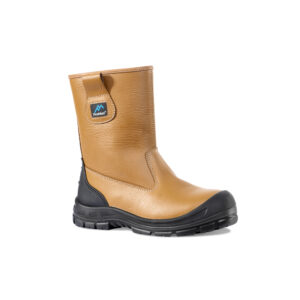
In many industries, it is a common requirement for employees to wear protective footwear, such as steel toe cap boots, as a safety precaution.
The question of whether or not an employer is required to pay for this protective footwear can vary depending on the specific laws and regulations in the region where the employer is located, as well as the policies and agreements in place between the employer and the employees.
Key Takeaways
- Protective Footwear Requirement: Common in many industries for safety.
- Employer Responsibility: Varies by regional laws and company policies.
- Legal Mandates: Some laws require employers to provide and pay for protective gear.
- Voluntary Provision: Employers may supply gear to enhance workplace safety.
- Employee Purchase: In some cases, employees must buy their own safety gear.
- Foot Injury Statistics: High rates in the UK, reduced by safety footwear.
- Conclusion: Employer funding for gear depends on legal and workplace factors.
- Further Reading: Safety helmets in construction recommended.
In some cases, an employer may be required by law to provide certain types of protective gear and equipment, including steel toe cap boots, to their employees at no cost to the employees.
This can be the case if the use of protective gear is required by occupational health and safety regulations or if the gear is necessary to protect the employees from specific hazards present in the workplace.
In other cases, an employer may not be legally required to provide protective gear to their employees, but may still choose to do so as a matter of policy or as a way to promote a safe and healthy work environment.
In these cases, the employer may cover the cost of the protective gear as a benefit to their employees.
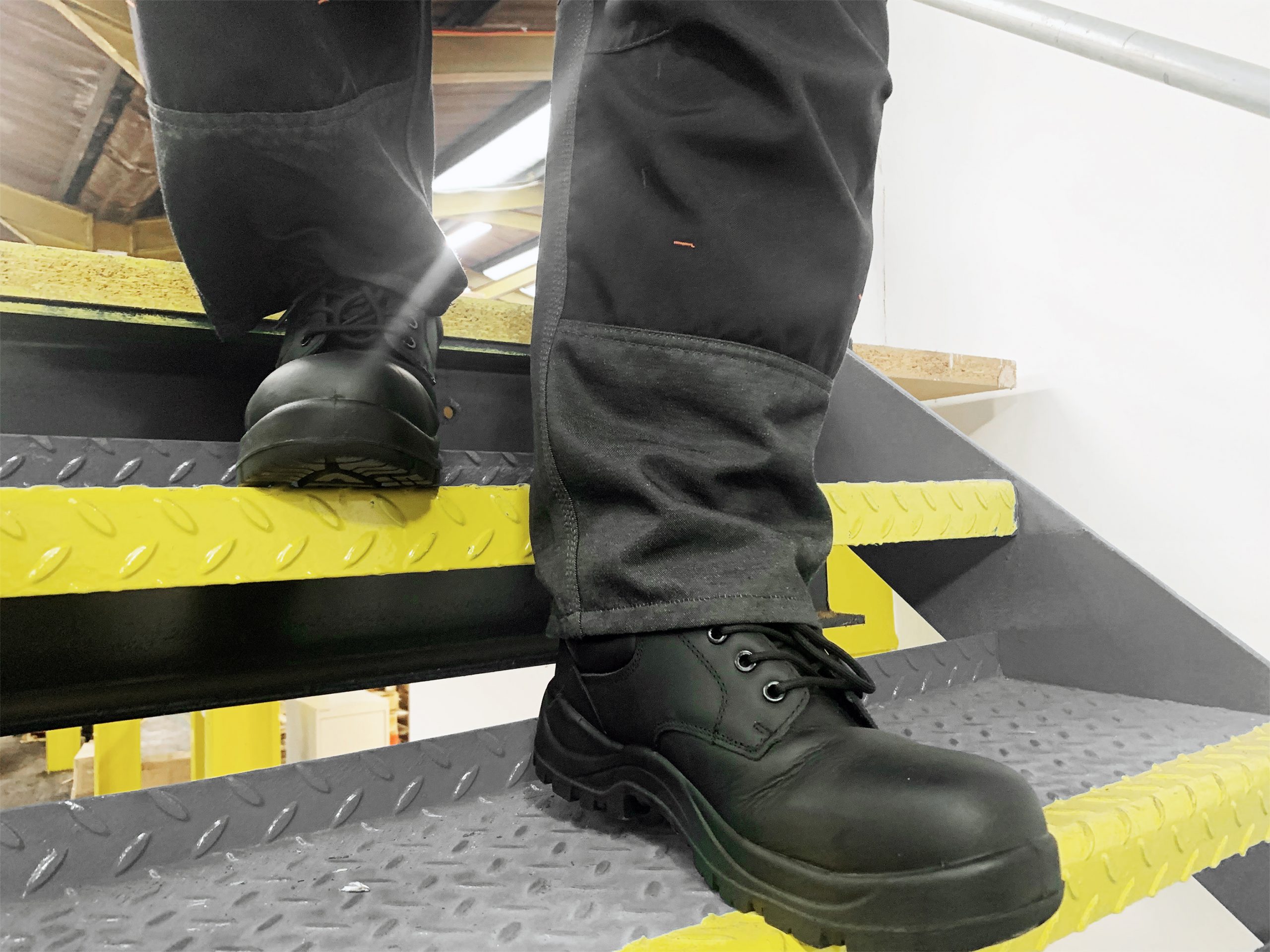
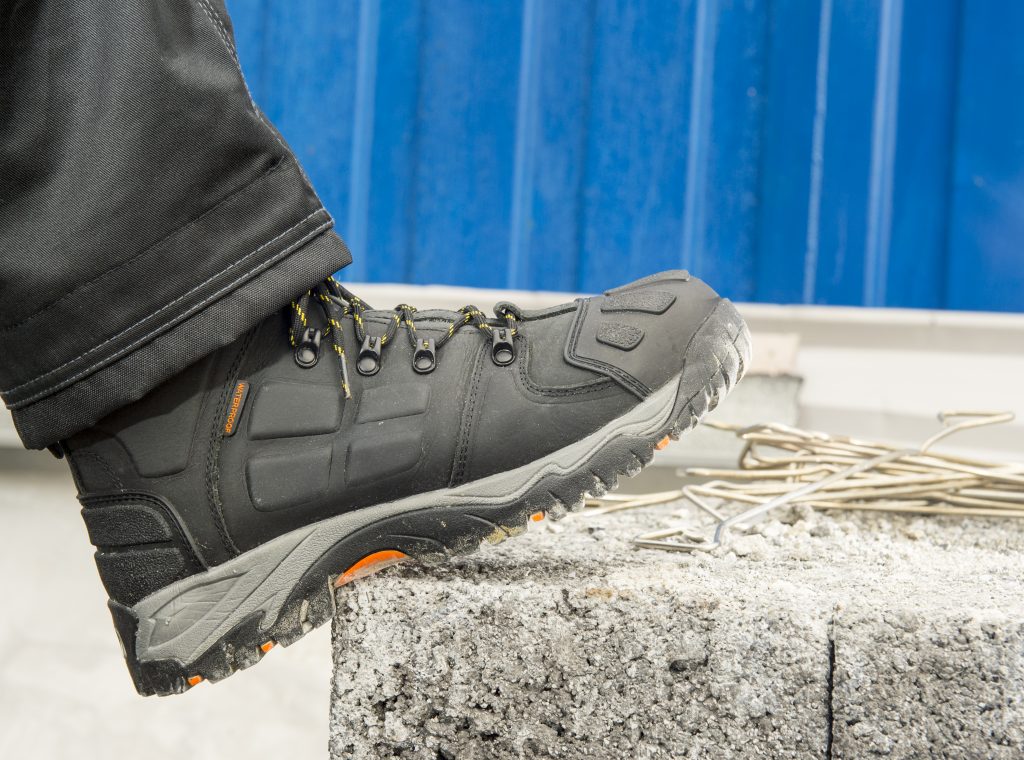
Great Steel Toe Cap boots to roll out !
There may also be situations in which an employer does not provide protective gear to their employees, but instead requires the employees to purchase their own gear.
In these cases, it is important for the employer to ensure that the employees have access to high quality gear that meets the necessary safety standards and is appropriate for the hazards present in the workplace.
Statistics around safety footwear
- Workplace Injuries:
In the UK, there were thousands of workplace injuries reported annually related to foot injuries. Many of these injuries could have been prevented or minimised with the use of proper safety footwear.
- Common Foot Injuries:
The most common foot injuries reported in the UK were fractures, sprains, and puncture wounds, with certain industries experiencing a higher incidence of these injuries due to the nature of their work.
- Impact of Safety Footwear:
Studies have shown that the use of safety footwear can significantly reduce the severity of foot injuries in various industries, particularly in construction, manufacturing, and logistics.
Conclusion
In conclusion, the question of whether or not an employer is required to pay for steel toe cap boots or other protective gear depends on a variety of factors, including the laws and regulations in place, the policies and agreements between the employer and employees, and the specific hazards present in the workplace.
If you are interested to learn more about safety products on a building site then the why wear safety helmets on a building site blog is a great place to start!
Safety Footwear
- Why is protective footwear required in many industries?
- To ensure safety and prevent foot injuries in hazardous work environments.
- Are employers always required to pay for protective footwear?
- It depends on regional laws, workplace policies, and agreements between employers and employees.
- What happens if there are no legal mandates for providing protective footwear?
- Employers may still choose to provide protective gear voluntarily to promote a safe working environment.
- Can employees be required to purchase their own protective footwear?
- Yes, in cases where employers don't provide them, employees might need to purchase their own, adhering to safety standards.
- What types of foot injuries are common in workplaces?
- Fractures, sprains, and puncture wounds are common, especially in industries like construction and manufacturing.
- How effective is safety footwear in preventing workplace injuries?
- Studies show that safety footwear significantly reduces the severity of foot injuries in various industries.
- What factors influence whether an employer will fund protective gear?
- Factors include specific legal requirements, company policies, and the nature of workplace hazards.
- Where can I learn more about other safety equipment, like safety helmets?
- The blog suggests reading additional material, specifically about safety helmets on construction sites.
-
For workwear distributors, being competitive often comes down to two things: product availability and buying price. Portwest is one of the biggest names in UK workwear, high visibility clothing and PPE. But not every reseller has access to a direct Portwest account or the buying terms needed to compete aggressively. That is where OAKEYS Safety…
-
At OAKEYS Safety Ltd, we deal with branded workwear every day. Most orders follow a simple process: This case did not follow that pattern. What follows is a factual account of our experience working with DPS Embroidery (46 Hallam St, Balsall Heath, Birmingham B12 9PS), based on documented email correspondence across multiple orders. The Setup…
-
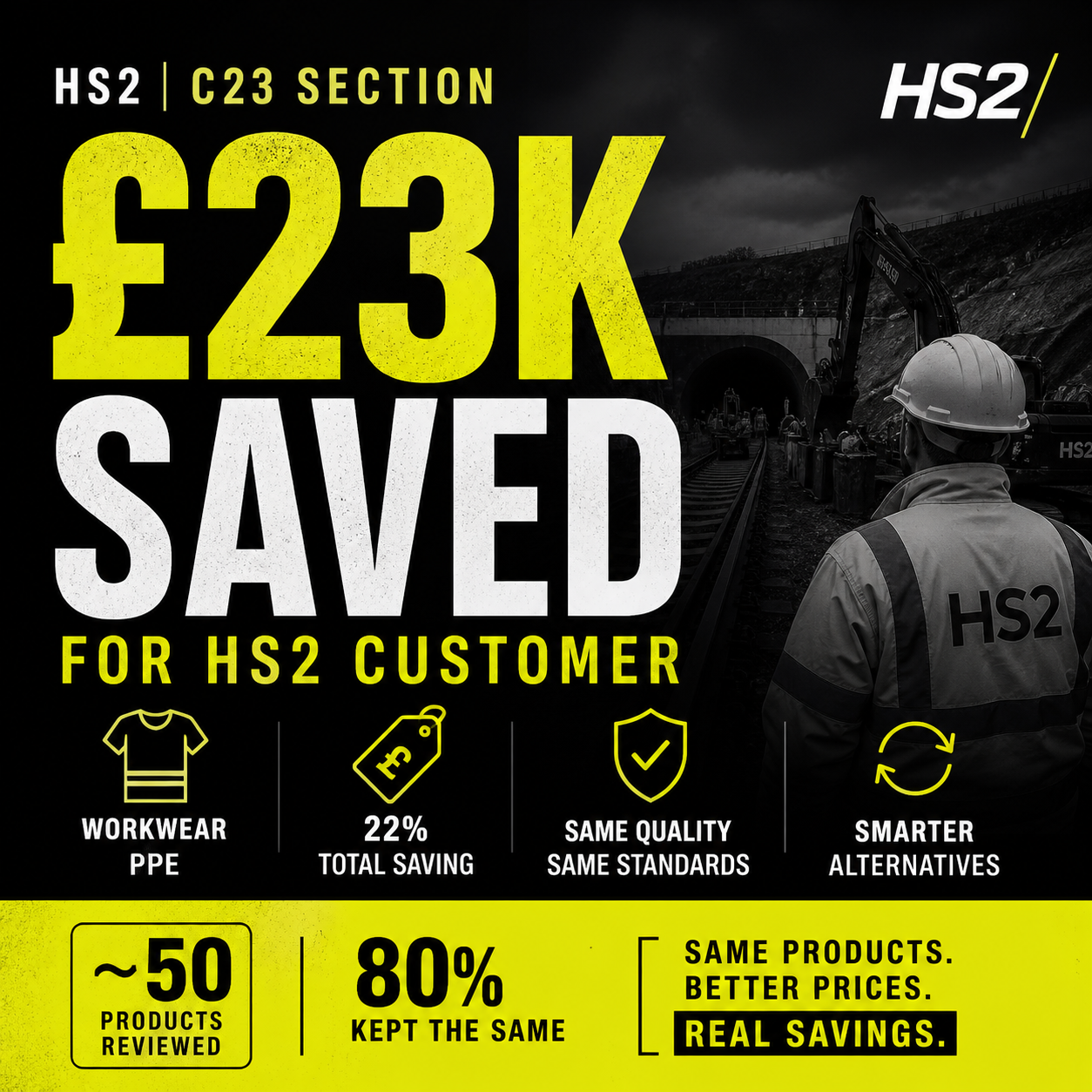
Most construction companies assume their workwear and PPE pricing is “about right”. In reality, we’re consistently seeing 15–25% savings available - without changing specifications, brands, or compliance standards. Here’s a real example from a contractor working on the HS2 C23 section. The Situation We were asked to review a company’s current workwear and PPE spend.…