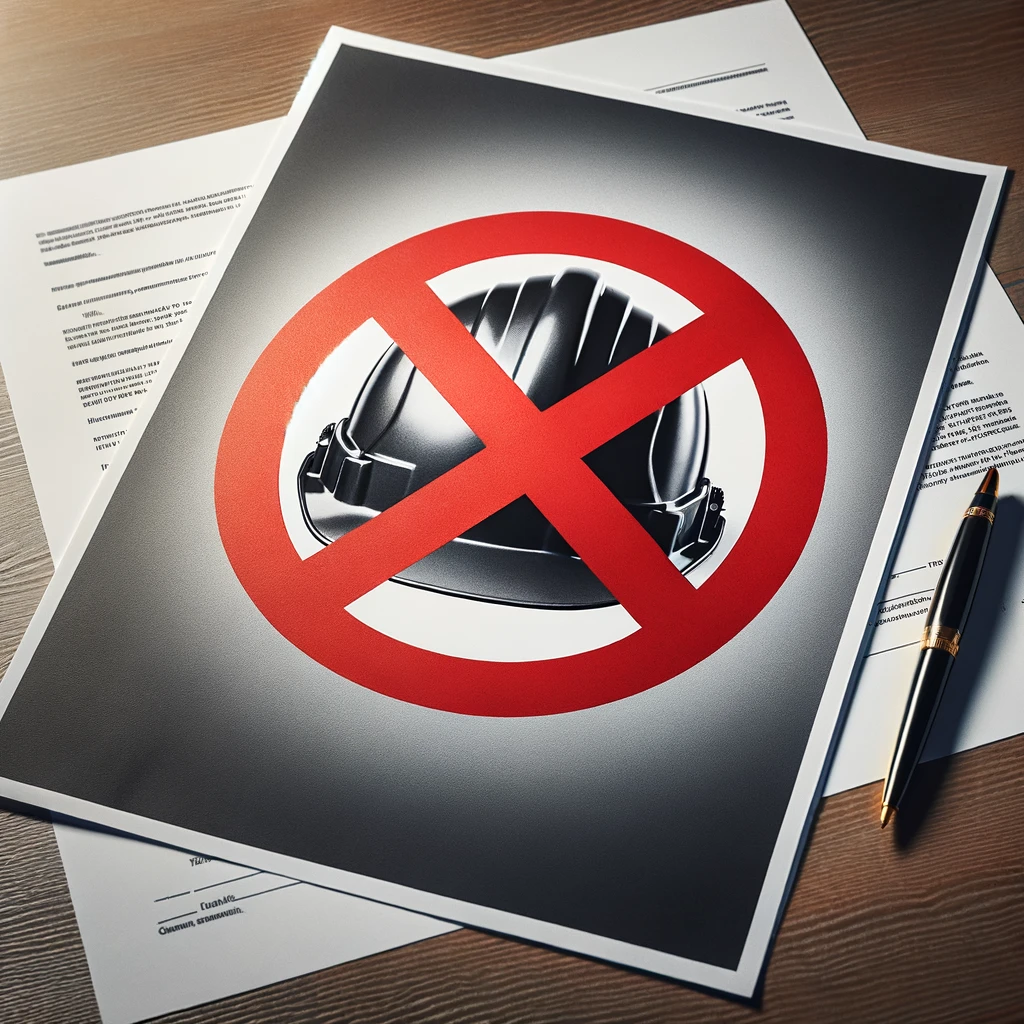
The UK is at the forefront of addressing the concerning rise of counterfeit safety helmets, fake hard hats, and non compliant protective gear in the construction and industrial sectors.
With worker safety at stake, the UK's comprehensive approach combines regulatory enforcement, public awareness, and industry collaboration to eradicate the market of unsafe products.
This initiative not only safeguards physical well being but also underscores the importance of vigilance among consumers and businesses alike.
Regulatory Measures and Certification
Central to the UK's strategy is the enforcement of stringent safety standards. Regulatory bodies, such as the Health and Safety Executive (HSE), play a crucial role in ensuring that all safety helmets meet the required specifications, such as EN 397 for industrial helmets.
Manufacturers and distributors are mandated to secure CE marking (or UKCA marking post-Brexit) to demonstrate compliance with European safety norms.
This certification process acts as the first line of defence against the infiltration of counterfeit products into the market.
Collaboration and Awareness
Understanding the critical role of informed choices, the UK government actively partners with manufacturers, trade associations, and safety organisations to heighten public awareness about the dangers of counterfeit safety gear.
Through targeted campaigns and educational initiatives, these efforts aim to enlighten both consumers and suppliers about the significance of sourcing and selling only certified safety equipment.
By fostering a well informed community, the UK strengthens its collective defence against counterfeit products.
Identifying Genuine Products
For individuals and businesses, identifying authentic safety helmets involves several key steps:
- Look for Markings: Genuine helmets carry the CE or UKCA mark, along with the manufacturer's name, the production date, and the standard number (e.g., EN 397).
- Verify Certification: Check the product's certification against the databases of recognised testing bodies to ensure its validity.
- Purchase from Reputable Suppliers: Buy safety equipment from well-established and trusted suppliers like OAKEYS Safety, preferably direct from manufacturers or authorized dealers.
Reporting Counterfeits
The UK encourages the reporting of counterfeit safety products to authorities or trade associations.
This collective vigilance contributes to the ongoing efforts to clamp down on counterfeit operations and prevent the circulation of substandard gear.
The Role of Digital Platforms
In today's digital age, online platforms serve as crucial allies in the fight against counterfeit safety helmets.
By leveraging the power of social media, forums, and e-commerce platforms, safety advocates and businesses can spread awareness about the risks of counterfeit products and guide consumers towards making informed purchasing decisions.
Conclusion
The UK's multifaceted approach to combating counterfeit safety helmets underscores a commitment to safeguarding worker safety through regulation, education, and collaboration.
As the battle against fake safety gear continues, the collective efforts of governments, industry players, and consumers will be paramount in ensuring that only genuine, certified protective equipment is used on job sites across the country.
By staying informed and vigilant, we can all contribute to a safer working environment for everyone.
Safety Helmets & Bump Caps
1. What is a counterfeit safety helmet? A counterfeit safety helmet is a fake or imitation helmet that is sold under the guise of being genuine and compliant with safety standards, but it does not meet the legal and safety requirements set by regulatory bodies.
2. Why are counterfeit safety helmets dangerous? Counterfeit safety helmets are dangerous because they may not provide the necessary level of protection against impacts, falls, and other hazards found in construction or industrial environments, leading to a higher risk of serious injuries or fatalities.
3. How can I identify a counterfeit safety helmet? To identify a counterfeit safety helmet, look for the following indicators:
- Lack of certification marks (such as CE or UKCA) or suspicious looking certification labels.
- Poor quality materials and construction.
- Missing or incorrect manufacturer information.
- Significant price difference compared to genuine helmets.
4. What should I do if I suspect my safety helmet is counterfeit? If you suspect your safety helmet is counterfeit, stop using it immediately. Report the product and the seller to the relevant authorities, such as the Health and Safety Executive (HSE) in the UK, and consider contacting the brand or manufacturer for verification.
5. Where should I buy safety helmets to avoid counterfeits? Purchase safety helmets from reputable suppliers, authorized dealers, or directly from the manufacturer. Avoid purchasing from unknown online marketplaces or sellers offering significantly lower prices than the market rate.
-
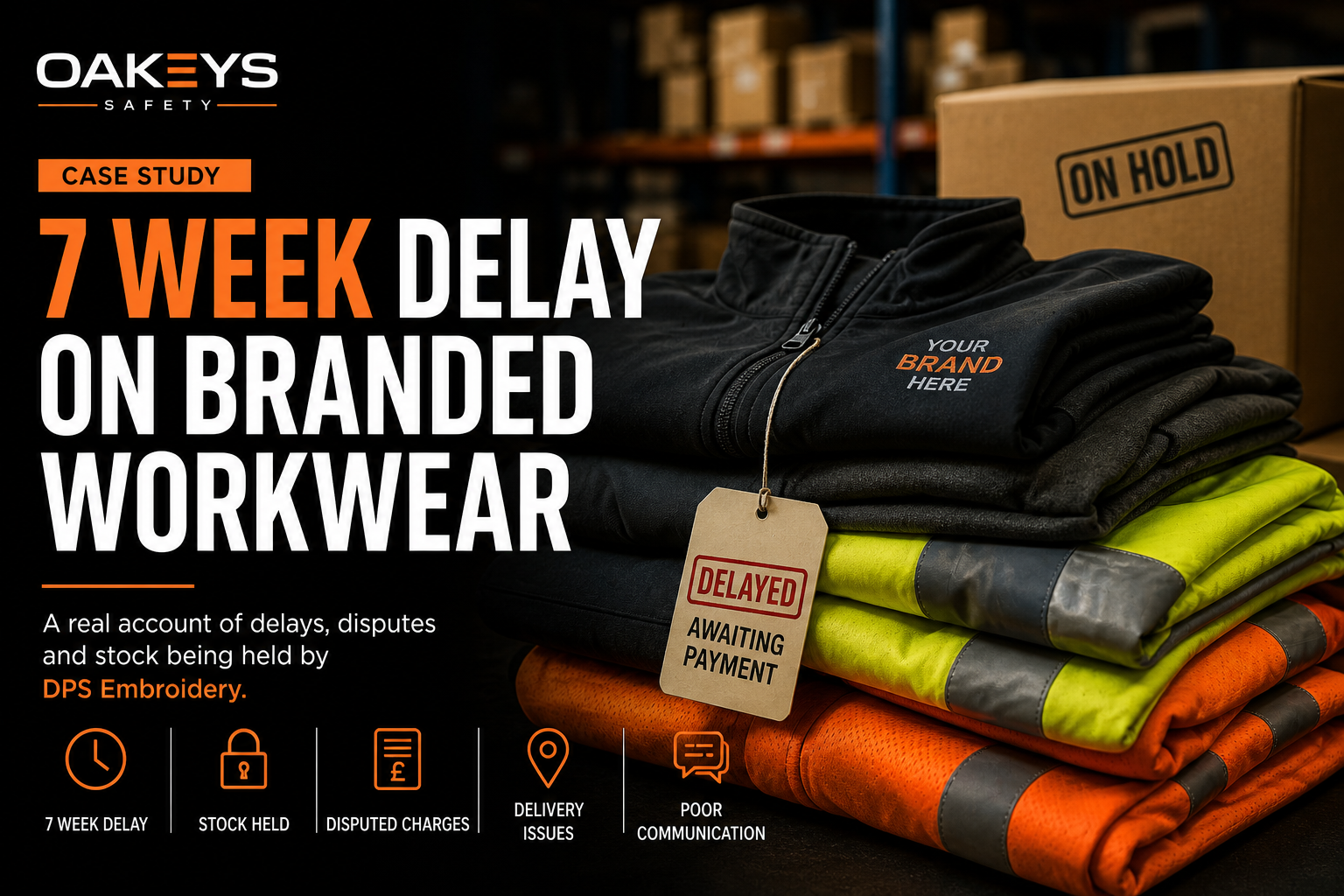
At OAKEYS Safety Ltd, we deal with branded workwear every day. Most orders follow a simple process: This case did not follow that pattern. What follows is a factual account of our experience working with DPS Embroidery (46 Hallam St, Balsall Heath, Birmingham B12 9PS), based on documented email correspondence across multiple orders. The Setup…
-
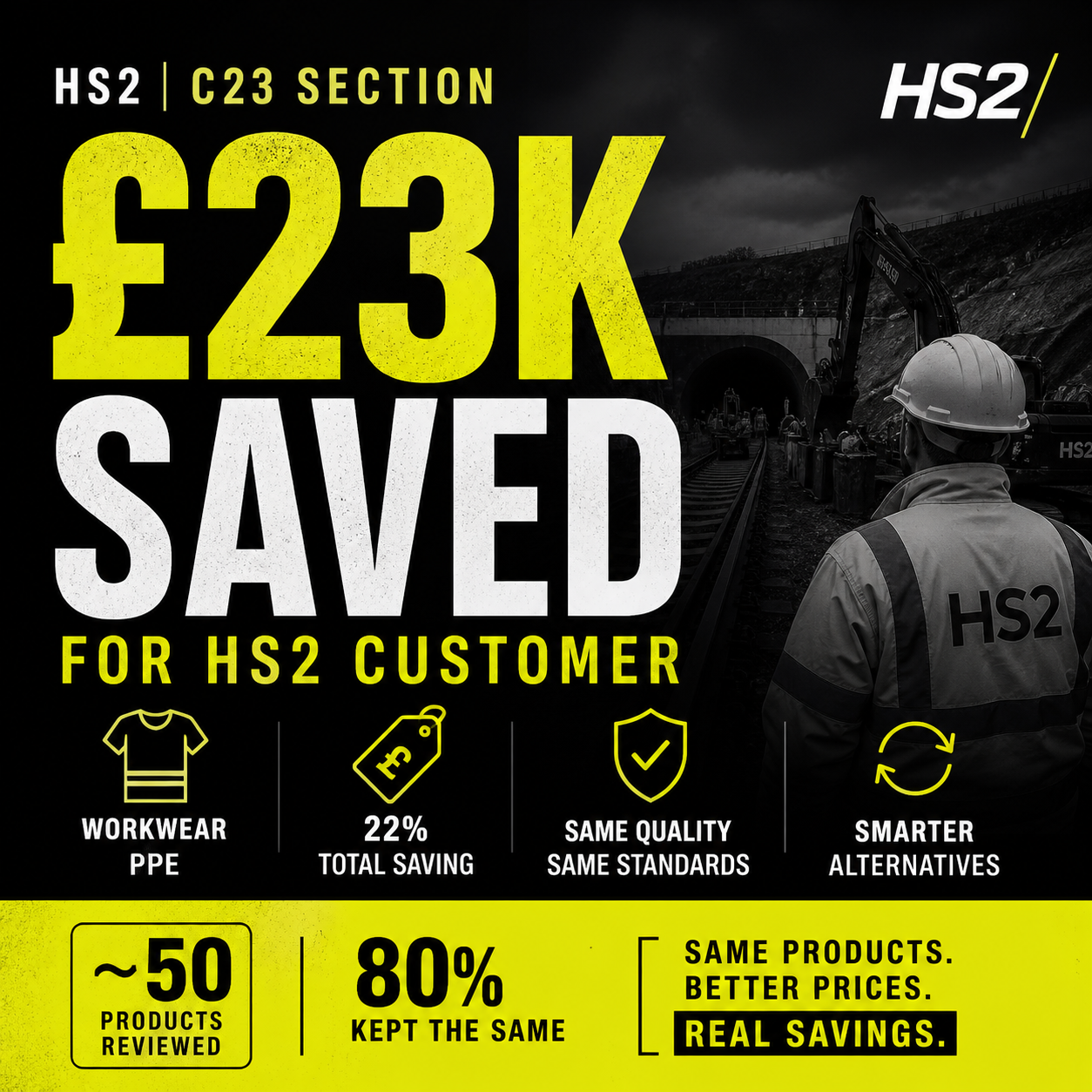
Most construction companies assume their workwear and PPE pricing is “about right”. In reality, we’re consistently seeing 15–25% savings available - without changing specifications, brands, or compliance standards. Here’s a real example from a contractor working on the HS2 C23 section. The Situation We were asked to review a company’s current workwear and PPE spend.…
-
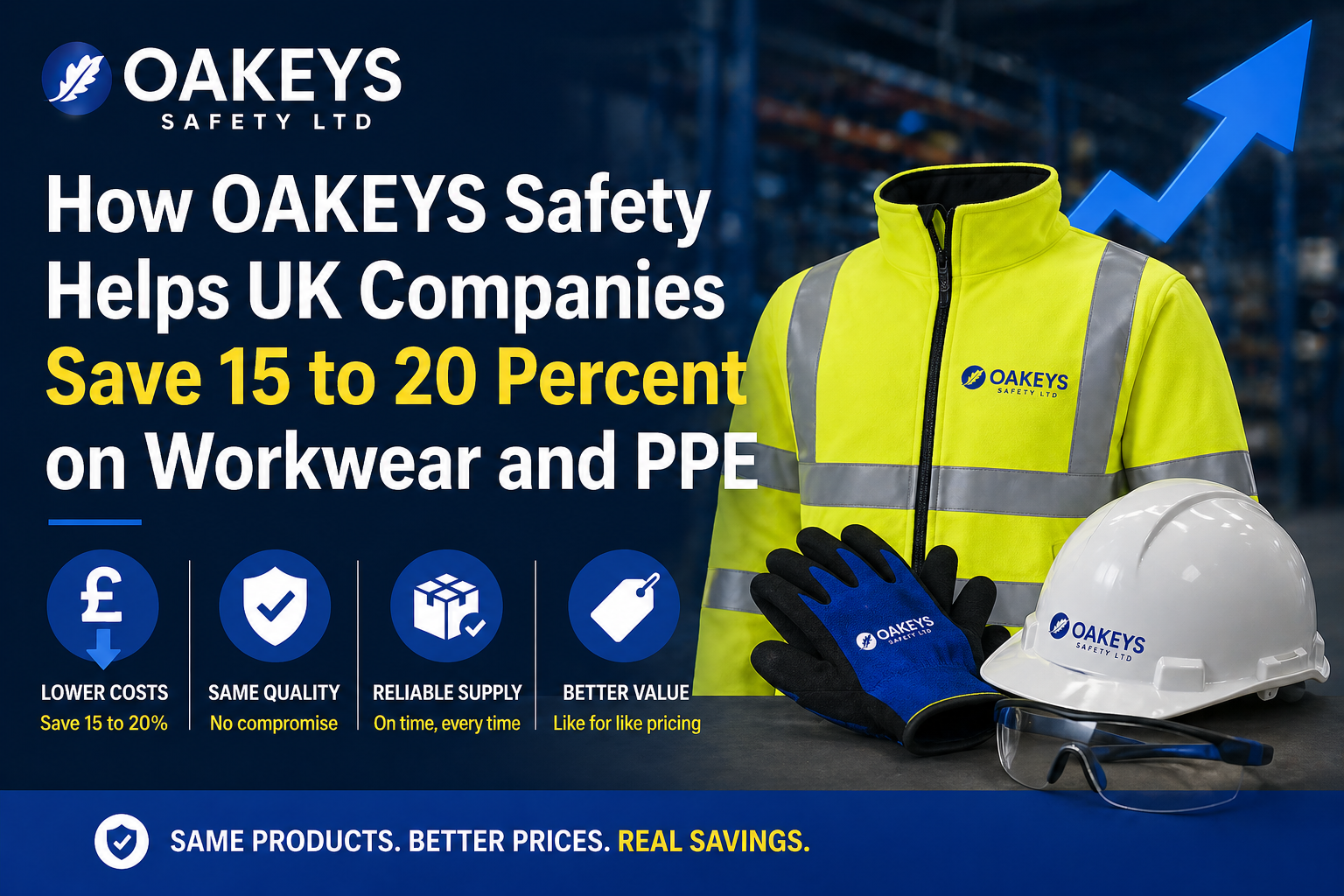
If you are searching for cheap hi vis workwear, where to buy workwear, or a reliable PPE supplier in the UK, you are not alone. Most companies want better pricing, but very few actually know what they should be paying. At OAKEYS Safety Ltd, we have worked with over 50 UK businesses to compare their…